

Dec 25-Jan 26
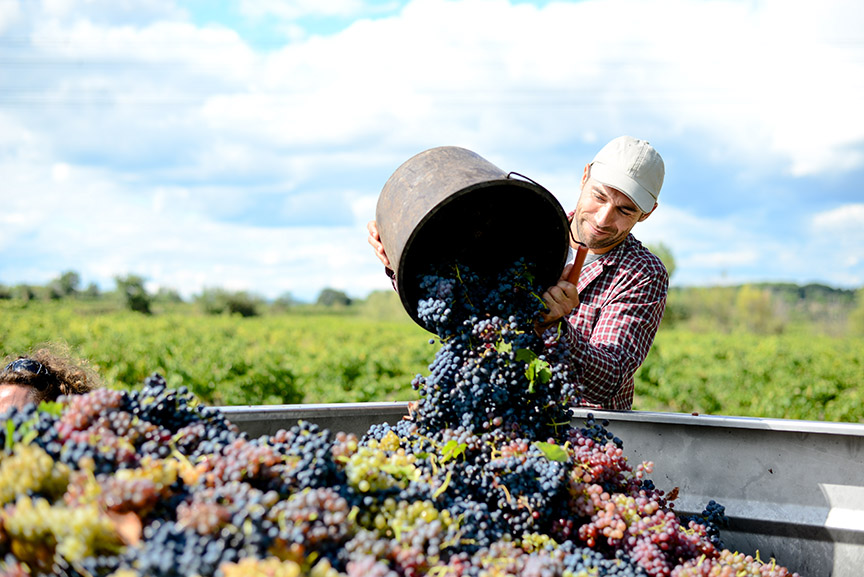
Creating a Field Blend
Explore the history, benefits, and drawbacks of field blends — where varieties are traditionally grown, harvested, crushed, and fermented together instead of the more traditional post-fermentation blending of varietal wines. Plus, the authors share their own experience from their first adapted field blend with grapes from their backyard vineyard.
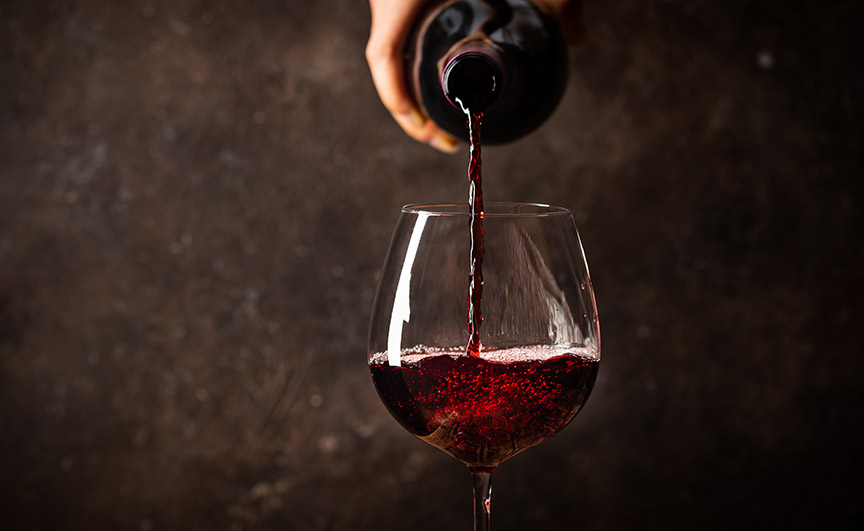
Top 100 Wine Kits of 2025
We share the top 100 wines made from kits and evaluated by experienced judges in the 2025 WineMaker International Amateur Wine Competition.
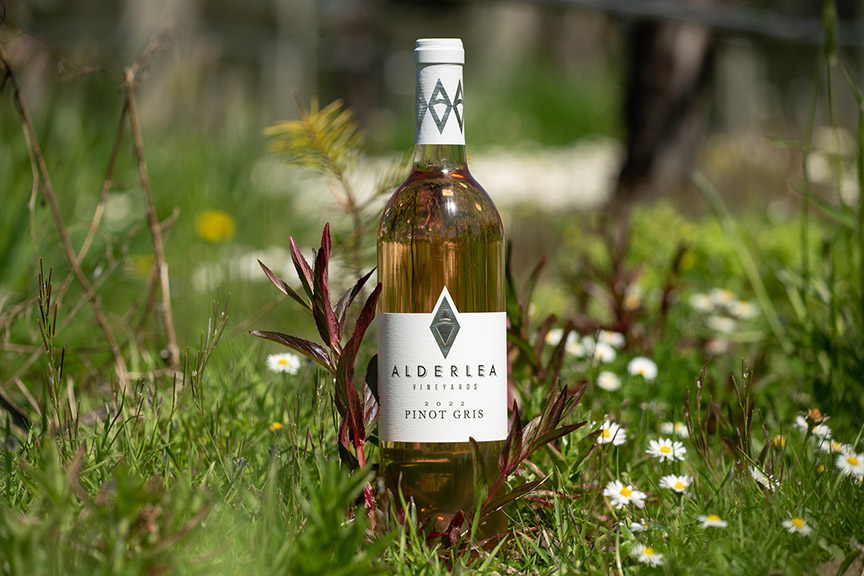
Ramato Pinot Gris
“Ramato” Pinot Gris gets its name from the copper color of the wine that comes from extended skin contact with rose-gray colored grapes prior to fermentation. This style of wine was made popular in northeastern Italy more than a century ago due to the more intense aromatics, flavors, and body that comes from the method. The same process can be used at home to add more character to this often nondescript grape variety.
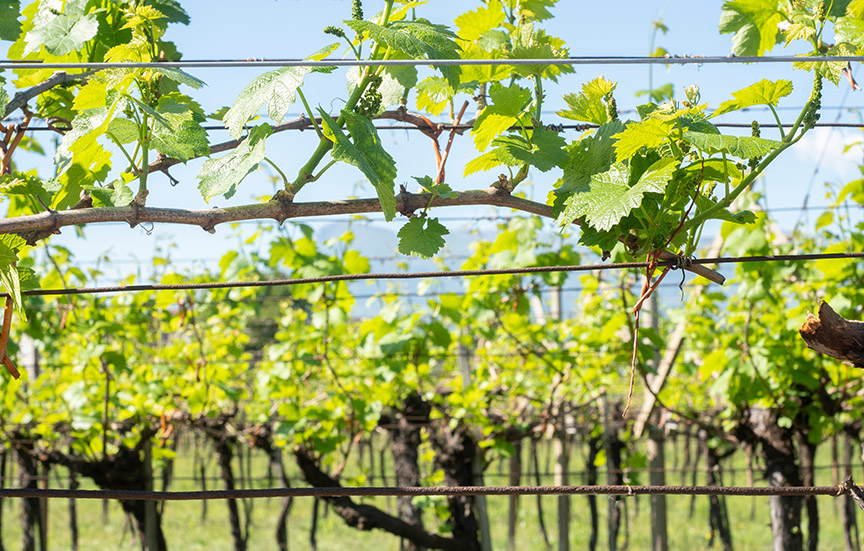
Trellising Explained
The ideal trellis system for one wine grower may not be the same for another. Learn about the most common trellis systems home winemakers may wish to install in their own vineyards, and why the final decision should be dictated by variety and site.
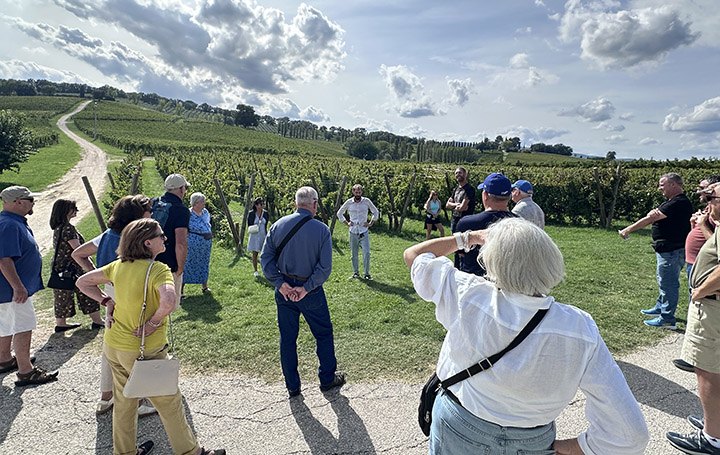
Under the Tuscan Vine
Take a look at the photos and highlights from a recent trip WineMaker Publisher Brad Ring led for a group of readers through Italy’s famous Tuscany wine regions.
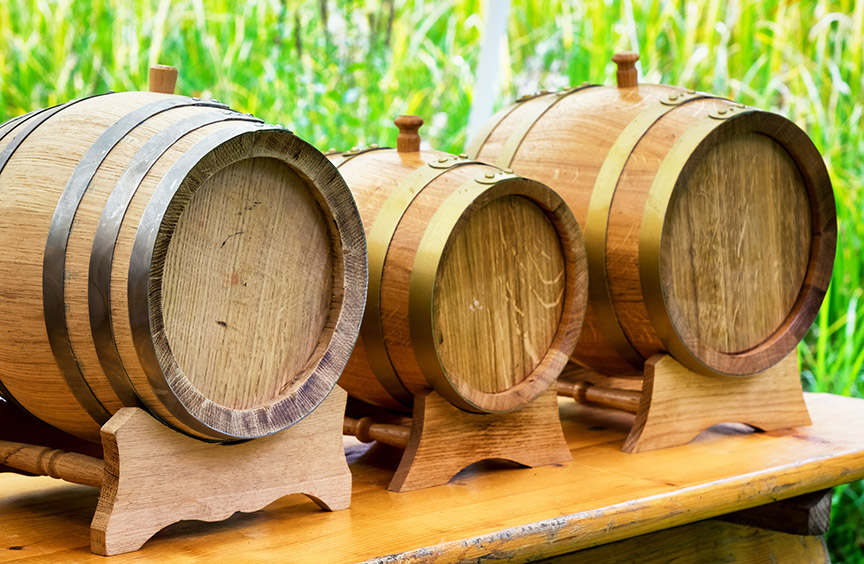
Small Barrels, Unwanted Secondary Ferments, Natural Ferments, & Cold Stabilization
The Wine Wiz explains the differences winemakers must consider when aging wine in smaller-volume oak barrels. She also troubleshoots an unwanted secondary fermentation, explains that all fermentations are “natural,” and offers tips for cold stabilization.
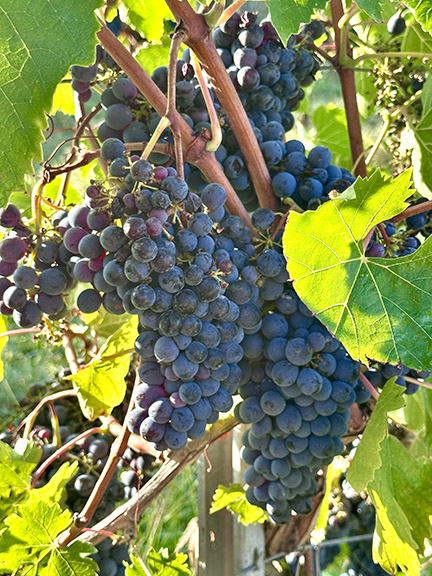
Sangiovese
Sangiovese is the ultimate wine to pair with food due to the variety’s ability to hold its acidity as it ripens and generous amounts of ripe red fruit flavor. Learn more about this Italian variety that is planted worldwide.
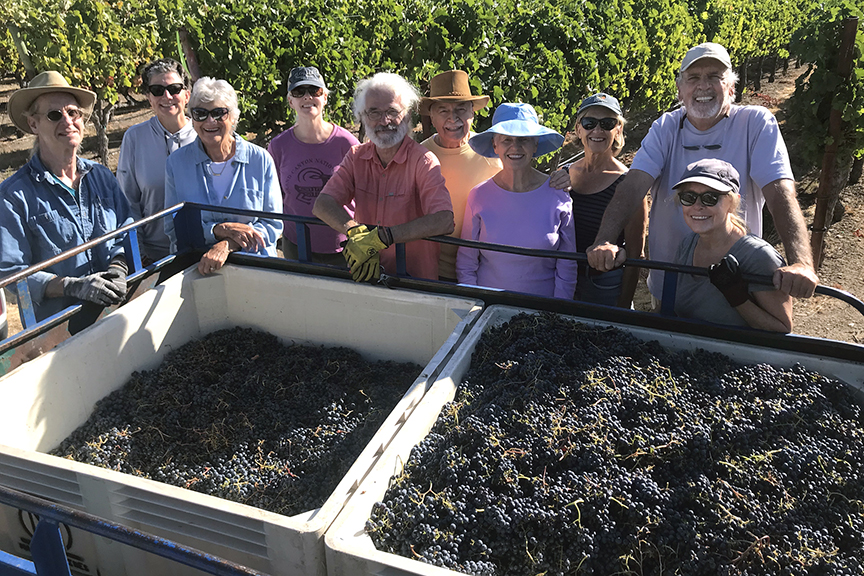
Abundance
In recent years there has been quite a bit of news coverage around excess grapes being grown. There is also a high rate of food insecurity in the U.S., particularly among immigrants who make up a large percent of commercial vineyard picking crews. A group of volunteers are helping turn some of that excess fruit into wine, with all proceeds helping fight food insecurity for vineyard workers in Sonoma Valley.

Turbidity
Clarity, or turbidity, is a key aspect of wine evaluation. Let’s revisit the fundamentals of wine clarity and examine how incorporating turbidity analysis and control into your process can help you bottle with confidence, knowing your wine will remain stable.
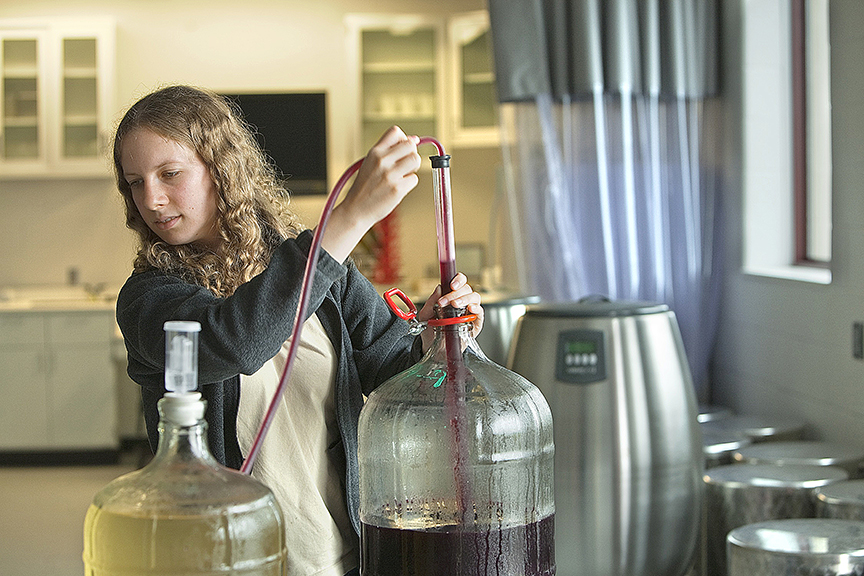
Racking Wine
Racking — the action of transferring wine off the lees to another vessel — is an important technique that is required to produce clear finished wine. Learn more about when and why racking is important, as well as ways to accomplish it that depend on the volume of wine you are making.
Unwanted secondary fermentation
Thanks for writing in with your fizzing rosé mystery. I can see why it caught you by surprise — there’s nothing quite like popping open a bottle you meant to be still
“Natural” fermentations
You’ve bumped into one of the more debated (and sometimes misunderstood) corners of winemaking: “Natural wine” and whether you need to inoculate with a known yeast strain. It’s a lively topic, and
Cold stabilization
Cold stability is one of those topics that sounds simple on the surface but gets tricky once you look at the details. What we’re trying to prevent is the formation of tartrate