Techniques
Topic: Clarity-and-Filtration
Turbidity
Clarity, or turbidity, is a key aspect of wine evaluation. Let’s revisit the fundamentals of wine clarity and examine how incorporating turbidity analysis and control into your process can help you bottle with confidence, knowing your wine will remain stable.

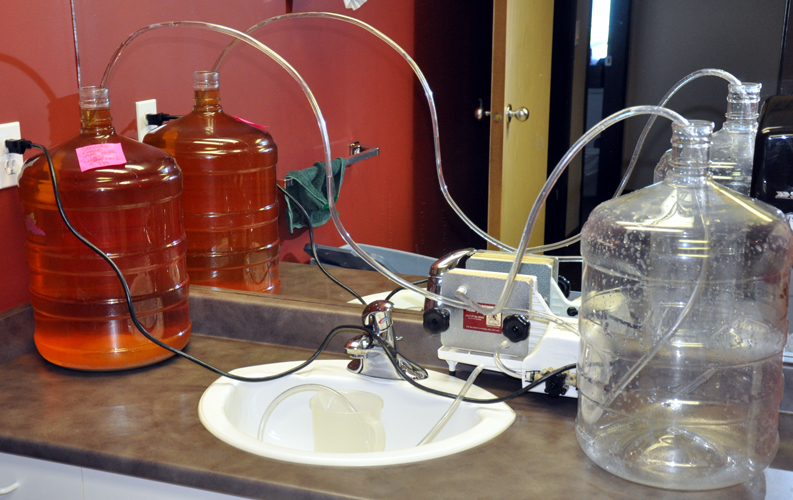
Racking Wine
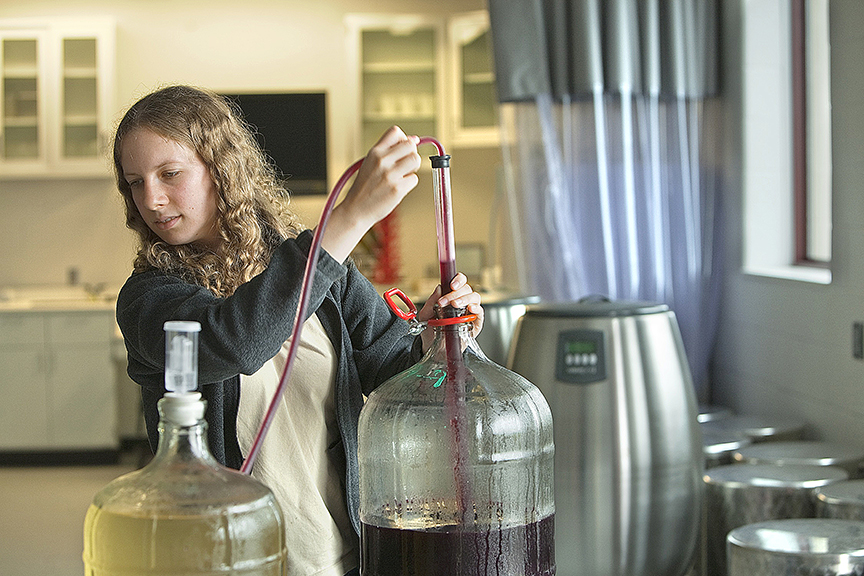
Racking — the action of transferring wine off the lees to another vessel — is an important technique that is required to produce clear finished wine. Learn more about when and why racking is important, as well as ways to accomplish it that depend on the volume of wine you are making.
Pectic Enzymes
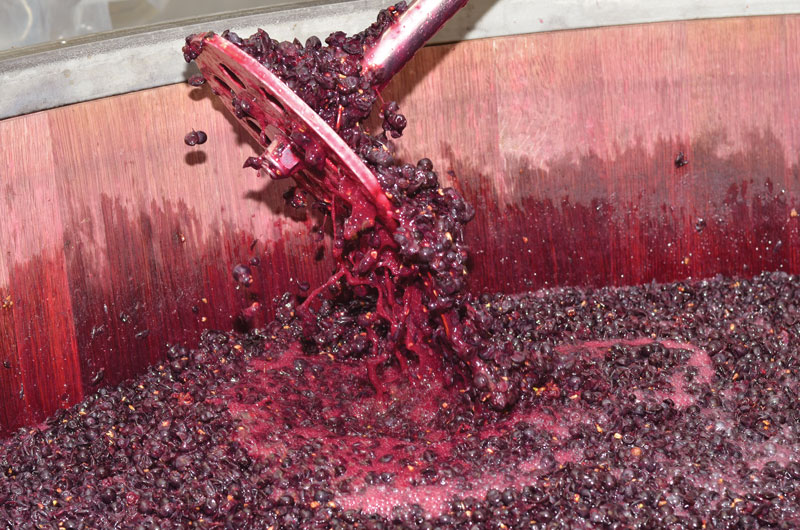
Pectic enzymes are often used in fruit and other high-pectin wines to aid in clarity, but also serve as a useful tool post-crush to aid in juice, color, and aroma extraction for many grape wines.
Vegan Winemaking Products
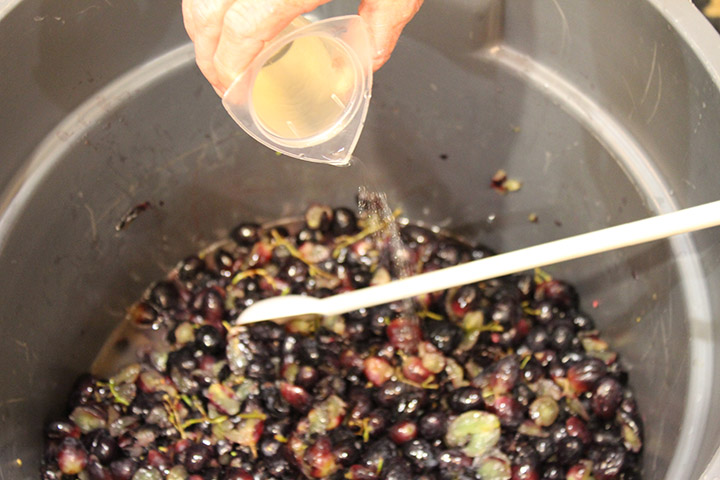
Manufacturers have recently released many plant-based or microbial-sourced products. Learn about these products, even if vegan isn’t your primary goal.
It’s All Fine and Good
There are many different types of fining agents available to home winemakers that fall into these four groupings: Mineral, polysaccharide, synthetic polymer, and protein agents. Learn what each is best used for and when you may be better to employ one vs. another.
Dealing With Haze
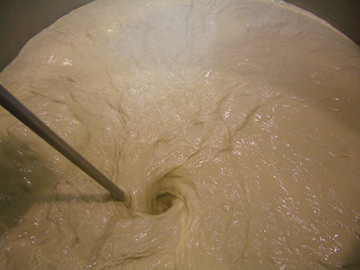
While haze can sometimes just be aesthetically off-putting and not a true flaw, it’s something many winemakers like to avoid. Get the scoop on reducing haze and other benefits, as well as drawbacks, that come with the use of fining agents.
Fin(d)ing Clarity in the Five S’s
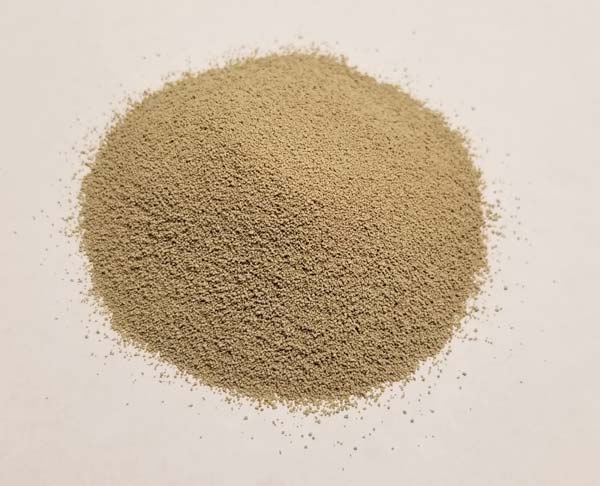
When it comes to clarifying your wine kit, there are five “S’s” that will guide your way: Start, stir, smash, sweep, and suppress.
Fining Your Way to Clear Wine
Fining of wine is the addition of one substance to remove another. It is a diverse subject with several classes of materials involved in its use and lots of different intended outcomes.
Using Enzymes in Country Wines
Country fruit wines can be quite difficult to achieve the desired color, aroma, and clarity levels. Here is a look at the various enzymes typically used in grape winemaking that can also be used in fruit wines.
Using Fining Agents
Pesky cloudy wines! Sediments in the bottle! There is nothing more frustrating to home winemakers than a wine that will not clear or that continues to throw sediments in the bottle. Making
Choosing a Filtering System
Winemaking is not a science but rather an art. There are many opinions on the pros and cons of the various processes that winemakers use. The subject of filtration is one such area of great debate that has polarized enologists, wine sellers and wine enthusiasts alike. Some advocate the practice of filtration, others believe that fining is sufficient, while many traditionalists simply let nature take its course.