Check out the WineMaker trip to Chile & Argentina during next year’s harvest in March 2027. Reserve your spot now as spaces are filling fast!

Apr/May 2017
Tips on crafting balanced wines, learn to treat flaws in your wine with copper, and late spring tips for your home winery.
In this issue
-
 wine-wizard
 -
 article
Understanding Bentonite, Refractometers vs. Hydrometers, and Mellowing A Big Wine
Most folks I talk to say that sodium bentonite and calcium bentonite are interchangeable in winemaking.
-
 article
Pinotage in the Spring
Spring is here, and that means a new winemaking season is upon us! A couple of experienced winemakers share the joys that come with making wine from South America and South Africa, as they recall their recent experience making Pinotage wine from South Africa last spring.
-
 technique
Volatile Sulfur Compounds and Hydrogen Sulfide in Wine
If you have ever encountered volatile sulfur compounds in wine, of which hydrogen sulfide is the most common, you know how repulsive the smell can be. Learn the causes and solutions.
-
 technique
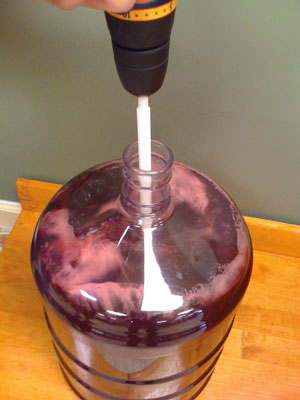
Degassing Wine Techniques
Sure, some wines are supposed to be carbonated, but most aren’t. To avoid unwanted bubbles in your table wines, you need to degas your wine. Learn how, and when, to do it so you never pour an unexpected bottle of fizzy wine again.
-
 article
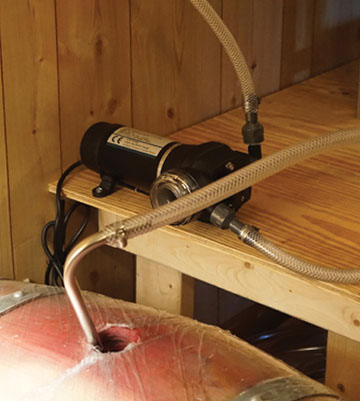
Moving Wine with Pumps
Wine is frequently transferred or “racked” into another vessel to leave the byproducts of the process (known as lees) behind. If you make larger batches of wine at home, using a pump can make this process easier.
-
 article
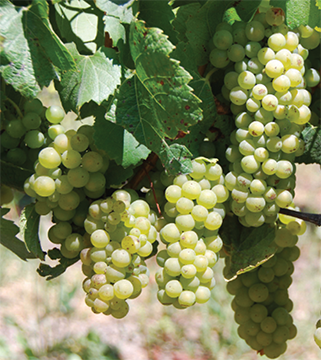
Balance in the Vineyard
Balance in a vineyard is defined as a vine that has enough leaves to ripen a small to moderate crop load. To achieve that goal, a good vineyard manager needs to pay close attention to what’s happening among the vines this time of year.
-
 article
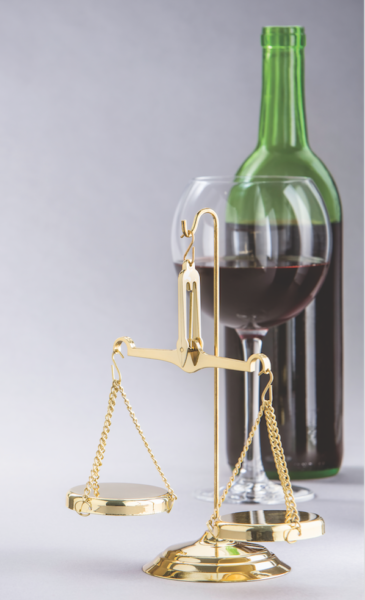
Creating Balanced Wine
There are many components in wine that all need to work together to create balance. Find out how to juggle acidity, alcohol, residual sugar, tannins, color, flavor components, and more.
-
 article
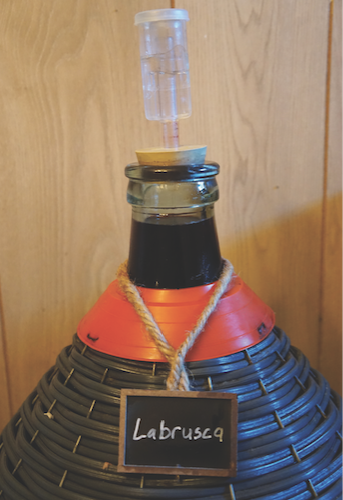
Year in the Life of a Wine: Part IV (Good Fermentations)
In the fourth installment of our year-long series about how homemade wine is made using home-grown grapes in Upstate New York, it’s time to check on finished fermentations and prune the grapevines.
-
wine-wizard
Understanding Bentonite
-
-
-
 article
Petit Manseng
Petit Manseng is a white grape, with small loose clusters and small thick-skinned berries. Traditional wines made from Petit Manseng are sweet and aromatic.
-
wine-wizard
Refractometer vs. Hydrometer