On July 17 learn late season grape growing and harvest techniques for your small-scale vineyard with “Backyard Vines” Columnist Wes Hagen. Register now to grow and harvest the best wine grapes this year!
Wine Wizard
Posts
-
 Article
Making Muscat, Battling VA, Finding Ideal SO2 Levels
No matter which strain you use, be sure that you read up on all the specifications from the manufacturer around ideal performance conditions
-
 Article
Fun With Filtration, When To Harvest, and Transporting Wine
. . . a lot of sediment we find in wines actually forms after the wine is bottled, and is nothing that filtration can control.
-
 Article
Brett in the Winery, Hangover Myths, and Grapes In Albuquerque
Brettanomyces is often an ambient microbe in the air we breathe, but that’s no reason to go inviting concentrated and healthy sto
-
 Article
Stuck Fermentations, Using Tartaric Acid, and Cooking With Wine
I find that when sugar is that low, the process of re-starting actually lowers the overall quality and you’re better off bottling slightly
-
 Article
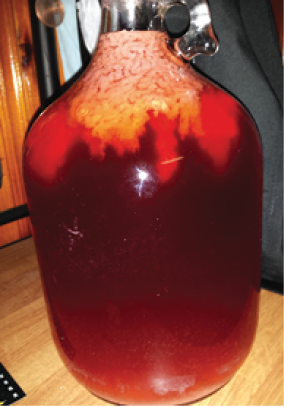
“Fruit Floaties”, Sweetening Wine, Free SO2 levels
Because sulfur dioxide is so easily-oxidizable, hydrogen peroxide naturally ‘finds’ the easily-oxidized SO2 and the two hopef
-
 Article
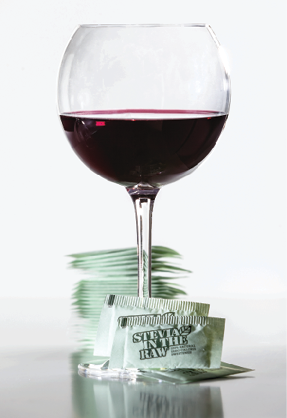
Alternative Sweeteners, Pomace Compost, and Stuck Fermentations
If you add some kind of sweetener that is fermentable (table sugar, grape concentrate, maple syrup, honey, etc.) you risk an uncontrolled re
-
 Article
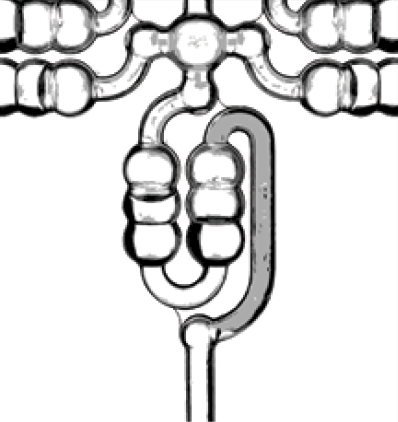
Empty Airlocks, Calculating ABV, and Transplanting Vines
Most top-scoring red wines made in the U.S. are bottled after 18–24 months in barrel.
-
 Article
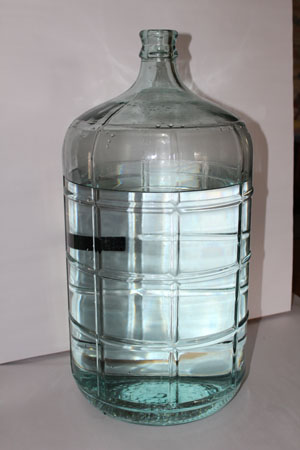
Softened Water, High Alcohol Wine, and Tiny Bubbles
Water softeners add another wrinkle, namely because they tend to add a lot of sodium.
-
 Article
Japanese Beetles, Freezing Grapes, and Adjusting Aged Wine
A really innovative and completely natural way to control Japanese beetles is to implement a longer-term biological control program utilizin
-
 Article
Fermentation Troubles, Natural Fining, and Get Your Swirl On
Some home winemakers cool down must ferments by freezing gallon water jugs and tossing them (closed tightly) into fermenting totes, bins or
-
 Article
Understanding “Degree Days”, White Film on Wine, and Glass vs. Wood
-
 Article
Importing Juice vs. Fresh Grapes, Wild Fermentations, Sediment In The Bottle
I prefer to have as much information as I can about where my raw material is coming from, and being able to handle the actual grapes is one
-
 Article
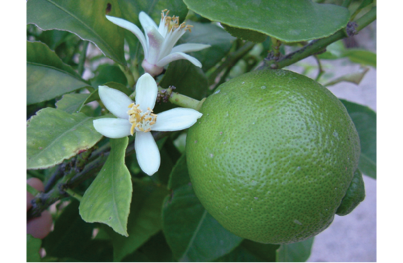
When Life Gives You Limes Make Wine, Re-Fermentation, and The Value Of A Vineyard
You could also try to take your lime wine and see what other kind of fun beverages you could make with it as a mixer . . .
-
 Article
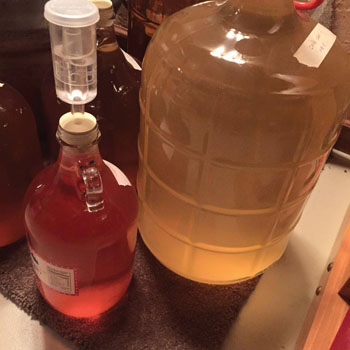
Color Loss in Candy Cane Wine, 23-year-old Concord, Deprived Vines, and Maple Wine
Because of their chemical composition under wine pH (acidity) and fermentation conditions it’s quite possible these color compounds won’
-
 Article
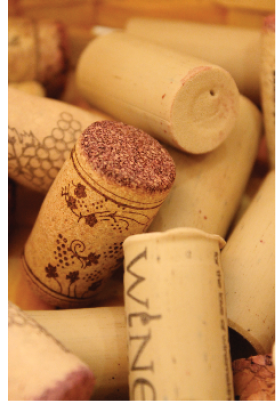
Moldy Odor In My Wines, Calculating Molecular SO2, Brown (Red) Wine
TCA, or the “corked” off-aroma, is caused by ambient molds interacting with a chlorine molecule of some kind, usually from domestic wate
-
 Article
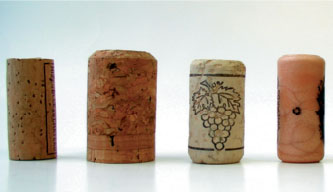
Exploring The Corking Options and Making Acidity Adjustments
Most closures are packaged pre-sanitized, usually with sulfur dioxide in the sealed bags that come from the manufacturer.
-
 Article
Adding Sparkle To Your Wines, Bottle Sediments, and Reducing Acidity
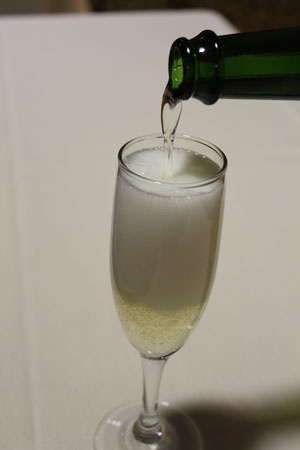
To maximize your chances of a successful in-the-bottle fermentation you need to prepare a starter culture.
-
 Article
Measuring Brix in Fermentation, Drinking From Brass, and Yeast Options
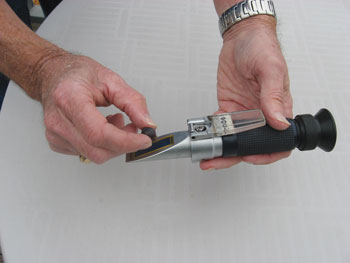
I would argue that the rapidity with which the sugar is consumed (and the density is lowered) is almost as important as the level of sugar i
-
 Article
Red Wine Sediment and What To Consider When Selecting A Yeast
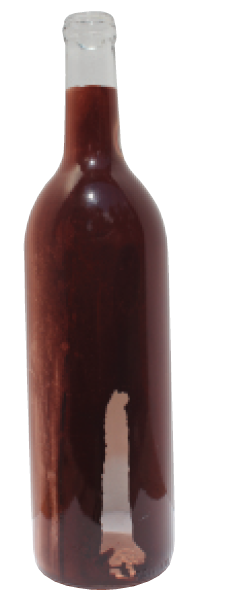
What you’re experiencing is the precipitation over time of all sorts of complex tannins and colored compounds.
-
 Article
Tartrate Crystals, Blending Stuck Wine, Malolactic Timing
In my experience, doing a traditional cold stability where you chill the wine down and then filter off any precipitation won’t shift the a
-
 Article
Understanding Bentonite, Refractometers vs. Hydrometers, and Mellowing A Big Wine
Most folks I talk to say that sodium bentonite and calcium bentonite are interchangeable in winemaking.
-
 Article
Malolactic Problems and Cleaning with Chlorine
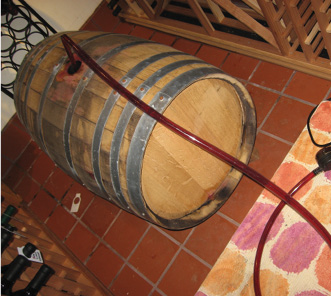
Some of the SO2 gas created by the sulfur wick certainly will transfer into the wine as sulfur dioxide.
-
 Article
Wine Press Mold Growth and Magnesium Sulfate Vineyard Sprays
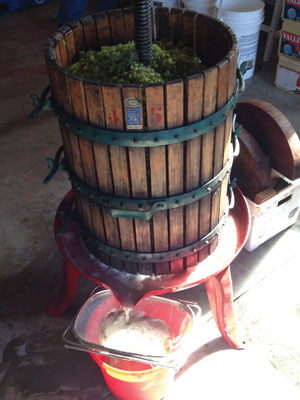
It’s very possible this mold bloom was caused by a change in the weather or a change in your cellar environment.
-
 Article
First-Time Barrel Soaking, Wine Flower and High Brix Grapes
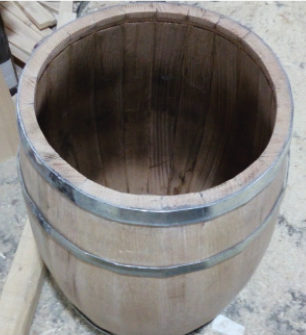
It is entirely normal for the first soaking of a barrel to produce a dark-colored water.
-
 Article
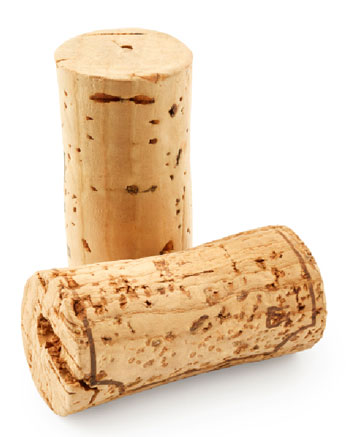
Sniffing The Cork, Screwcap Closures and the Facts About Wine Headaches
Interestingly, a cork may smell “tainted” and the wine below it might be just fine, or, better said the wine in the bottle may be below