Behind the Table
One of the great pleasures of winemaking — whether it happens in a commercial cellar or in a well-loved garage — is sharing the story of the vintage. Every wine carries the imprint of countless decisions, a handful of variables, and more than a little luck. I spent years making my own wine at home, investing in small-scale lab equipment and learning to run my own chemistry. I was fortunate to have established winemakers willing to guide my learning and help me improve. Those early experiences shaped not only the wines I made, but also my respect for anyone willing to harvest fruit, sanitize equipment, and see a wine through to bottling.
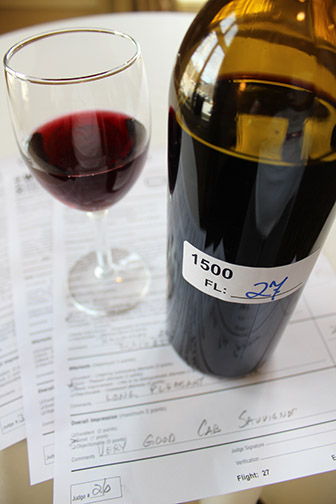
I am not a university-trained winemaker, but I am a trained wine professional with a strong foundation in enology. My background includes a two-year junior college winemaking program, multiple harvests, and a six-month laboratory internship at a 450,000-case winery. Today, much of my professional life centers on wine judging, education, and writing. It is precisely because of this blended technical and sensory background that I choose to donate my time judging amateur wines.
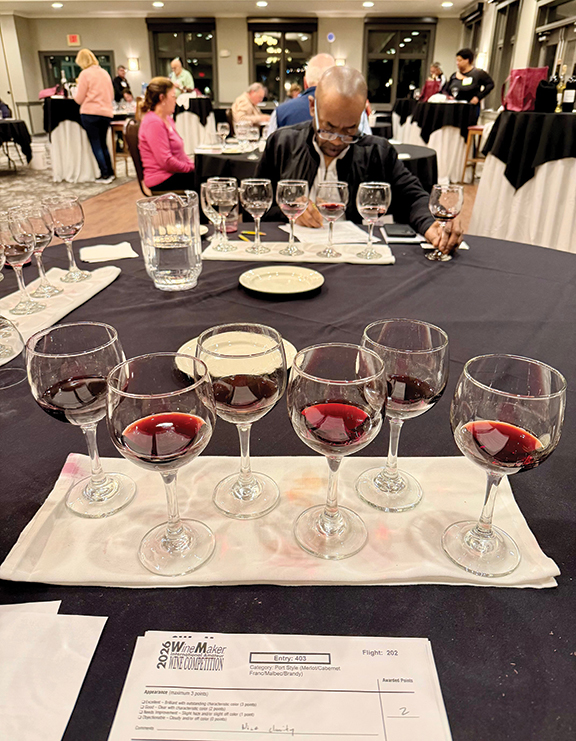
Judging amateur wine is not simply about ranking bottles or awarding medals. It requires evaluating intention, recognizing regional context, identifying faults, and providing constructive, actionable feedback a winemaker can use. Before I arrive at a competition, I review vintage reports for the regions represented — a habit shaped by judging commercial competitions. Understanding the challenges of a given year allows me to evaluate wines fairly and realistically. Take Barbera, for example. I never expect a Sierra Foothills Barbera to taste like it hails from Italy — and it shouldn’t. But I do look for varietal markers that confirm the wine is an honest expression of both grape and place. With Barbera, acidity is key: It should be vibrant, juicy, and true to the grape’s heritage. I also evaluate oak use carefully, knowing Barbera often shines brightest with restraint, allowing its natural character to take center stage.
I also assess volatile acidity (VA), which can creep more easily into Italian varieties. Elevated VA may signal insufficient SO₂ management or lapses in cellar cleanliness — issues that are common in home winemaking. Identifying these problems allows me to offer practical guidance the winemaker can apply in future vintages.

Of course, not all challenges originate in the cellar. Most amateur winemakers have limited control over fruit condition when it arrives. Grapes may come in early, overripe, or from a second vineyard pass — factors that significantly influence chemistry, structure, and balance. Identifying deficiencies requires testing, and corrective steps such as yeast selection can be costly.
But amateur winemaking is about more than limitations. One of the most rewarding aspects of judging is encountering lesser-known varietals. Because of my training, I can offer informed, context-driven feedback even when a grape is uncommon for the region.
Nothing brings me greater joy than encountering a wine that is varietally true, well-made, and polished enough to stand alongside commercial bottles. These moments remind me why I return year after year: To celebrate successes, guide improvement, and support the passion that fuels amateur winemaking.
In the end, judging amateur wines is not an exercise in fault-finding — it is an investment in community. Every comment, every suggestion, and every score is an opportunity to help someone grow. Being part of that journey remains one of the most rewarding roles I hold in the world of wine.