The ABC’s of MLF
Recently we posted a link on our Facebook page about tips for malolactic fermentations (MLF). A reply came back from a gentleman saying that he’s been making wine now for 15 years and has never heard of MLF. At that moment I knew what I needed to cover for this issue’s segment.
Also commonly known as secondary fermentation, MLF is performed by a class of bacteria that can take grape’s second most abundant acid, malic acid, and convert it to lactic acid. These bacteria can be found on grape skins and in used barrels where MLF has occurred previously, but oftentimes winemakers will add a fresh batch of Oenococcus bacteria culture for this purpose. These bacteria are commonly referred to as lactic acid bacteria or simply LAB and will be added either near the height of active fermentation or after fermentation has died down. We will come back to that point regarding the timing of the addition; but the bacteria consumes the stronger, more biting malic acid and leaves behind the smoother, less acidic lactic acid. Should all wines go through MLF? Definitely not, it is simply a tool that winemakers may or may not utilize in a given batch of wine.
When Is It Appropriate?
So we’ll start with when you may choose to inoculate your wine with a LAB culture. First off, sending your wine through malolactic fermentation provides one huge benefit for longer-term storage — microbial stability. The existence of malic acid in your wine means that there is something for bacteria to consume if left alone. So if you’ve already bottled your wine and a population of LAB begins to ferment, then you have a problem on hand in the form of carbonated wines and the potential for popped corks. For this reason alone, almost all red wines will go through secondary fermentation. But also, red wines commonly will benefit from rounding out the tasting profile by the conversion of the malic acid. If winemakers find their grapes to be low in total acidity or too high in pH, then it is recommended that the winemaker use the non-fermentable tartaric acid to boost acidity (for more on this topic see https://winemakermag.com/technique/1650-monitoring-adjusting-ph).
Winemakers may also choose to send several white and rosé wines through MLF, but it is far less common. Burgundian-styled Chardonnays would be the most common white wine to see intentional MLF. The malolactic process can provide the buttery (diacetyl) character commonly enjoyed by lovers of these style wines. Champagne and other forms of sparkling wines found on lees are another class of white wines that often undergo MLF, allowing them a longer-term storage.

When Is It Not Appropriate?
Many white and rosé wines can benefit from the sharper, crisper quality that the malic acid provides . . . think a nice fresh, biting apple picked off the tree. There are many reasons that microbial stability is less of an issue with these wines. First off, they are more typically consumed relatively young. Second, and very importantly, they should have lower pH when compared to red wines. The lower pH and lower fermentation temperatures of white wines, when combined with appropriate sulfite regimen, should provide sufficient protection against LAB from gaining a foothold in the wine during aging. Many winemakers will filter these non-MLF wines for an added layer of protection.
If you plan to backsweeten a wine and have added LAB or potentially have these bacteria in the wine, then you will want to make sure that all malolactic activity is complete (see the Testing For MLF section later) well before the backsweetening process begins. This is because one step in the backsweetening should be the addition of potassium sorbate, a compound that active LAB can convert into a compound called geraniol . . . something you do not want in your wine at perceptible levels. Therefore MLF and backsweetening are not recommended for the same wine during the same time frame.
Timing Of MLB Inoculation
When you add your malolactic culture can play a crucial role in the profile of the finished wine. This is because of the butter-like diacetyl compounds that LAB can produce. Yeast in primary fermentation can metabolize diacetyl, rendering the wine more neutral in character. So if you’re looking to reduce diacetyl, then add your culture at or just after the height of fermentation. For a more buttery, diacetyl-laden wine, add after fermentation is over and your yeast has settled.
Testing For MLF
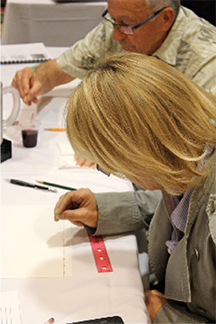
Testing for MLF can be done at home using paper chromatography. You can purchase a kit from most larger winemaking supply stores. For stability of the wine once it’s in bottle or if backsweetening, it’s important to know that the process is complete. Your typical MLF takes about 4 weeks at 68 °F (20 °C), so if your test reveals there is still malic acid after about 6 weeks, then it is probably time to start troubleshooting what may have gone wrong and see if there are ways to fix it.
Troubleshooting
There are a few elements that are critical to a successful MLF: Temperature, pH, molecular sulfite, alcohol, and nutrients. It is not uncommon for winemakers to struggle with their bacteria’s ability to either start or complete an MLF because one of these factors was not addressed. In summary . . . keep temperature above 64 °F (17 °C), make sure pH of the wine is at or above 3.2, hold off on post-fermentation sulfite additions until MLF is complete, hold alcohol below 15% (24.5–25 °Brix must prior to fermentation), and add some MLF micronutrients. Finally, make sure you are using a fresh batch of bacteria culture (before its expire date). LAB do not last long in storage.