Check out the WineMaker trip to Chile & Argentina during next year’s harvest in March 2027. Reserve your spot now as spaces are filling fast!
Yeast & Fermentation
Posts
-
 Wine-wizard
Cucumber Wine
-
Wine-wizard
What Could Lead To A Stalled MLF
-
 Article
Lower Alcohol Wines
Rising temperatures have led to grapes that are higher in sugar and lower in acid at harvest. Winemakers are beginning to look at microbial
-
 Article
The Tale of the Stuck Fermentations
-
Wine-wizard
Is MLF testing necessary?
-
Wine-wizard
Yeast choice for a fruit wine
-
 Technique
Lees and You: Dead yeast can be your friend
Aging on fine lees has traditionally been reserved for Muscadets, white Burgundy wines, and classic champenoise-style wines, but that doesnâ
-
Wine-wizard
Sulfite Timing Question
-
 Article
Fantastic Fermentations
Careful attention must be paid to fermentation to achieve great wine. We gathered experts from four different yeast laboratories to glean ad
-
 Article
Wine Fermentation 101
You can ferment just about anything on this planet, if sugar is present. But all fermentation, including what takes place in your must, requ
-
 Article
Malolactic Fermentation
Everything you need to know about malolactic fermentation, from what it is, ways to do it, how to test its completion, and more.
-
 Article
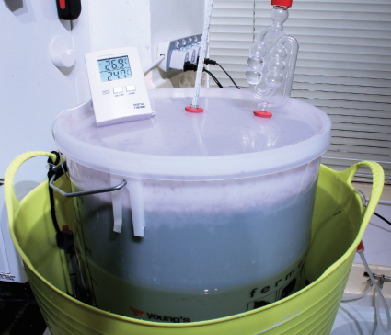
Controlling Fermentation Temperature
Many hobby winemakers believe that fermentation temperature control is beyond their reach — but this isn’t so! Discover how to keep temp
-
 Article
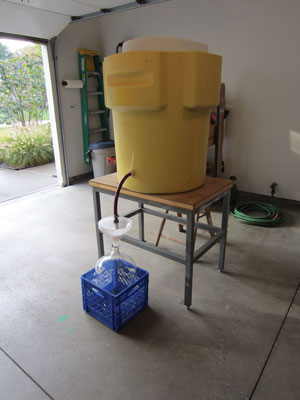
Fermentation Temperature Control
This cooling setup keeps wine must within just a few degrees of target temperatures.
-
Wine-wizard
Over-yeasting?
-
Wine-wizard
Why the Tiny Bubbles?
-
Wine-wizard
Refermentation Questions
-
 Article
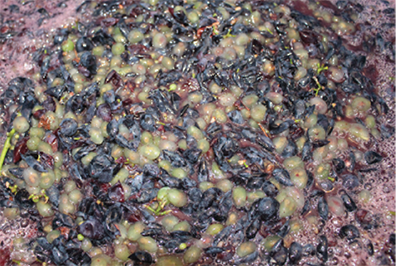
Fermentation Dynamics
There are temperature ranges advisable for fermenting all wine styles, but how does each end of that range affect the aroma, taste, and body
-
Wine-wizard
Malolactic Fermentation Timing
When and to what container should I add the malolactic bacteria and nutrient?
-
Wine-wizard
Yeast Pitching Rates
-
 Technique
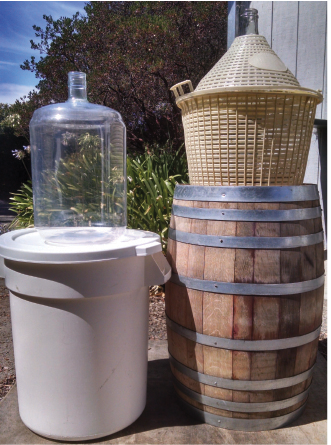
Fermentation and Aging Containers
Fermentation and aging vessels winemakers have to decide between include oak, glass, plastic, and stainless steel. Each has its own pros and
-
 Technique
Yeast Nutrient Strategies
-
 Article
Fermentation Temperature Control
For those that would like to start getting a better handle on the fermentation temperature of their wines, you’ve found the right spot.
-
 Technique
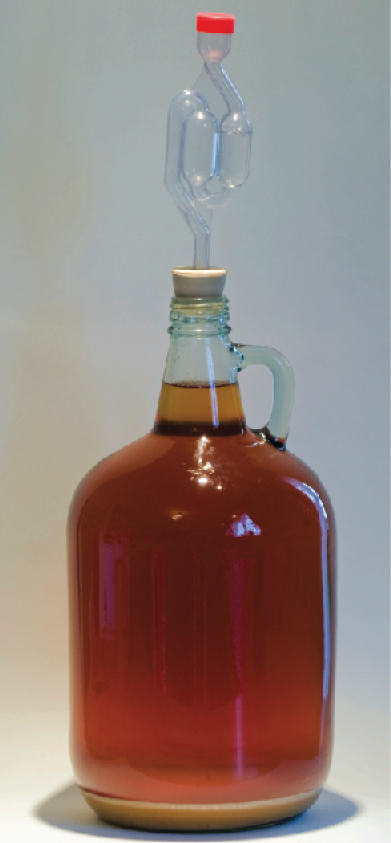
Fermenter Options for any Size Home Winery
-
 Technique
Wild Yeast Fermentations: Tips from the Pros
Lots of commercial winemakers let their wines ferment with wild yeast from the grapes and in the winery. Here we have two California winemak
-
Technique
15 Facts About Wine Yeast
Yeast is an amazing organism. Here are 15 facts on WineMaker’s 15th anniversary that you may not know about yeast.