Oxygen’s Role in Fermentation
Q. Reading an article about stuck fermentation, it says oxygen is needed, especially at the start of fermentation. If that is the case, then why do we have to use an airlock? I have a stuck Merlot fermentation. I’ve just added another dose of yeast and nutrient, and the fermentation has taken off.
Ian Straub
via email
A. That’s a great question, and it highlights one of the most important balancing acts in fermentation management: Knowing when oxygen is helpful and when it becomes something to avoid. As with many aspects of winemaking, the answer comes down to timing.
Yeast do need a small amount of oxygen early in fermentation. During the couple days after inoculation, the yeast cells are actively multiplying. To build strong cell membranes, yeast use oxygen to synthesize compounds such as sterols and fatty acids that keep those membranes flexible and healthy. In simple terms, that early oxygen helps the yeast population grow strong enough to complete the job ahead of it.
Because of this, winemakers often introduce small amounts of oxygen during the very beginning of fermentation. In red wines this happens naturally during cap management. Punching down the cap or pumping the juice over the skins can dissolve a bit of oxygen into the fermenting must, which supports yeast growth during those early days. With white wines, a gentle splash during early handling sometimes provides a similar effect.

Once fermentation is fully underway, however, the situation changes. After the yeast population has built up and sugar conversion is in full swing, the yeast are working anaerobically, meaning they no longer require oxygen to continue fermenting. At that stage, additional oxygen can begin to cause problems. Oxygen exposure can dull fresh aromas, affect color, and potentially encourage the growth of spoilage organisms.
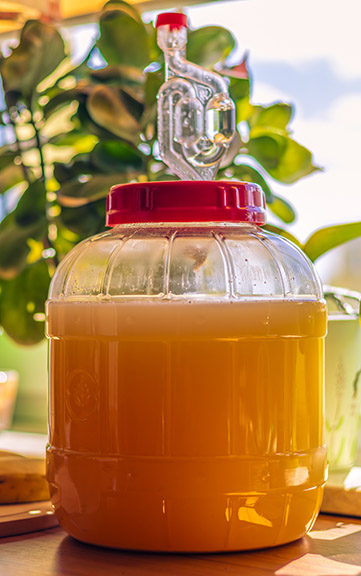
This is where the airlock becomes important. The purpose of the airlock isn’t to deprive the yeast of oxygen. Instead, it allows the carbon dioxide produced by fermentation to escape while preventing outside air from entering the vessel. In other words, it protects the wine once the yeast have already received the oxygen they need during the early stage of fermentation.
Your experience with the stuck Merlot illustrates how several factors can interact in fermentation health. When fermentations stall, it’s often because the yeast population has encountered stress. This might be due to depleted nutrients, rising alcohol levels, temperature swings, or simply yeast exhaustion after a difficult fermentation.
By adding fresh yeast along with nutrients, you essentially gave the system a fresh start. When restarting a stuck fermentation, a small amount of oxygen at the moment the new yeast culture is introduced can sometimes help those cells establish themselves, since they are entering a challenging environment that already contains alcohol and depleted nutrients.
Once the fermentation is moving again, though, the goal returns to protecting the wine from oxygen. That’s why we rely on airlocks and topped-up vessels during the remainder of fermentation and aging.
Early on, yeast are building their population and a little oxygen helps them get established. Later, their job is simply to convert sugar into alcohol and carbon dioxide, and at that point protecting the wine from oxygen becomes the priority.