The Wild West of Winemaking
Mexico’s Valle de Guadalupe looks straight out of an old-time Hollywood Wild West movie: A sandy landscape sprinkled with a variety of cactus plants ringed by barren, boulder-strewn mountains and a hot sun always shining above in a clear, blue sky. Fittingly, this up-and-coming, hidden gem of a wine region is very much the Wild West when it comes to a no-rules form of winemaking.
The modern wine industry here is only a few decades old and relies heavily on vineyard irrigation to survive. But in the last few years, the region’s adventurous and well-made wines have been discovered by sommeliers around the world seeking out new drinking experiences for their customers. And the Valle’s winemakers, not bound by any old traditions in this new wine region, are experimenting away with a freedom not often seen in the wine world. The Valle de Gudalupe may produce 90% of all the wine in Mexico, but it is not restricted by convention.
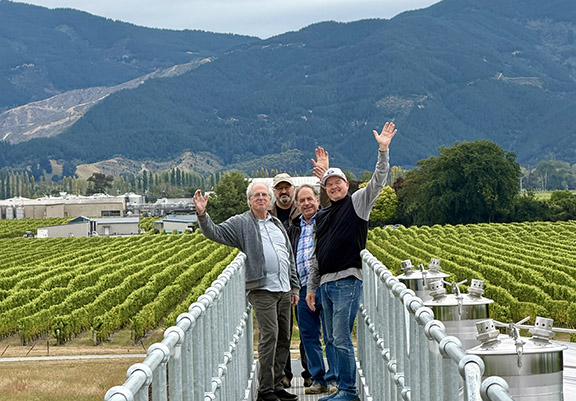
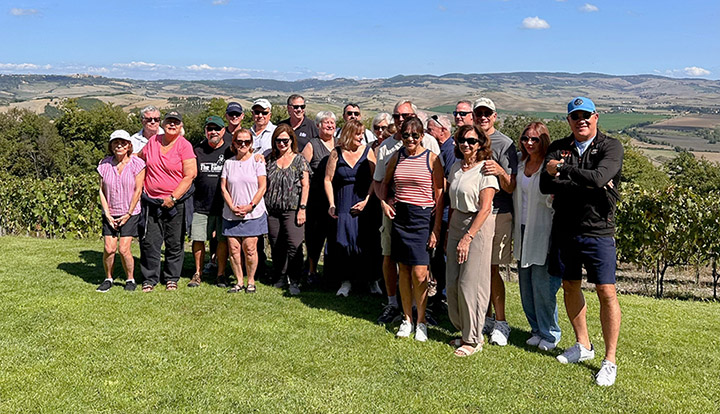
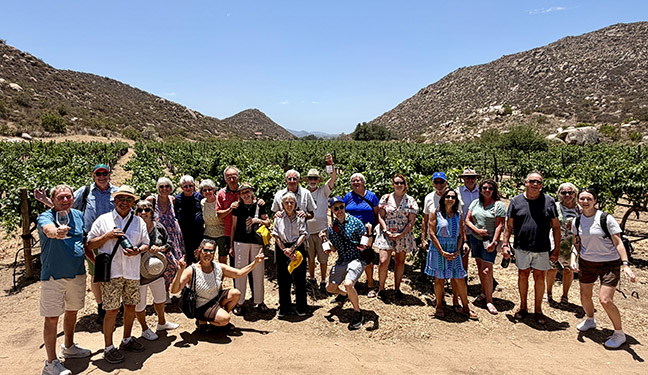
This past June, 20 WineMaker readers explored this wine region located just two hours south of San Diego, California, in the northern Baja region just a bit east of the Pacific Ocean. The six-day trip was filled with lots of great wine, local food, and wine lovers getting to know an area considered to be the “next big thing” by many wine industry experts.
The group’s introduction to local creativity was immediate on day one at the very first stop at Cuatro Cuatros, a coastal vineyard perched on the hills above the Pacific. At the end of a tasting featuring delicious whites, rosés, and reds, Head Winemaker Andrés Blanco poured samples of his “Norteado.” This fortified Port-style wine doesn’t use a traditional neutral grape spirit to stop fermentation early. Instead, Andrés adds local Mexican mezcal. The result is a truly unique, complex, and slightly smoky fortified wine. It was a fantastic way to let this group of home winemakers know they were not touring a typical wine region.


Over six days the group experienced daily wine surprises. Vinos Pijoan produced several versions of fortified vermouths using a blend of sage and other botanicals grown next to the winery’s vineyard. Other wineries served samples of single-varietal bottlings of grapes normally never used outside of blends such as Mourvèdre, Petit Verdot, Tannat, and Marsanne. Along the way, there were other signs of adventurous winemaking, such as skin-contact white wine grapes resulting in orange wines and rustic sparkling pét-nats. Mexican winemakers also had zero regard for traditional blending grape partners: Bordeaux grapes in the same bottle as Spanish grapes, why not? And Vinícola Infinito bottled an unoaked red served slightly chilled for a completely different fruit-forward drink in the glass.
If Valle de Guadalupe has a signature grape, it is also one that breaks with convention: Mexican Nebbiolo (also called Nebbiolo de Baja or Nebbiolo de Guadalupe). Vine cuttings originally thought to be Nebbiolo decades ago now produce a bigger, darker, less tannic wine in Baja than ever seen in its original home of Italy’s Piedmont. Is it or isn’t it a Nebbiolo? Local Baja winemakers don’t know and don’t really care at this point, but to hedge their bets they have added Mexican, Guadalupe, or Baja to the name in case future DNA tests prove otherwise. Whatever its parentage, this Mexican vine packs a punch in the glass and pairs perfectly with the local spicy cuisine.

All this Wild West no-rules experimenting shouldn’t obscure the fact that this region produces outstanding, more straightforward wines as well. The hot and dry climate by day and cool nights result in big, powerful red wines with great examples of Cabernet Sauvignon, Merlot, Malbec, and Syrah available at many wineries. Chardonnay, Viognier, and Chenin Blanc were also popular white wines sampled.
The lack of centuries-old traditions and rules also played out in the laid-back, friendly welcomes at each of the 11 wineries the WineMaker group received during the trip. The local pro winemakers were engaging and enjoyed answering questions from the visiting home winemakers at each stop. During many tours the host winemakers grabbed additional special bottles or offered barrel samples as the conversations continued well past the scheduled time as their winery dogs got to know all the visitors as well. There were even some unique stops such as a truly blind tasting at Rodo del Valle where all guests put on blindfolds while tasting the winery’s offerings.
The group also had some memorable local Baja food experiences to go along with all that wine. We enjoyed wine-paired meals each day at wineries and restaurants with lots of local seafood, oysters, ceviche, lamb, beef, and produce on the table. And since wine and cheese are a natural pairing, the group toured Cava de Marcelo’s cheesemaking facilities and aging cave for samples and a wonderful lunch.


Mexico’s Valle de Guadalupe is worth putting on any wine lover’s list, especially given its easy proximity to San Diego. The scenery, people, food, and wine will surprise anyone heading south of the border. ¡Salud!
Our next WineMaker trip with space available will be March 10–18, 2027 to Chile’s Maipo, Colchagua, Casablanca, and Aconcagua Valleys and finishing in Argentina’s Uco Valley and Mendoza during the Southern Hemisphere harvest. Learn more at winemakermag.com/trip. Our first Chile/Argentina trip already sold out so don’t wait to register if you’re interested. We hope you can join us on a future WineMaker trip as we visit different famous wine regions around the world and learn from local winemakers.