Check out the WineMaker trip to Chile & Argentina during next year’s harvest in March 2027. Reserve your spot now as spaces are filling fast!

Jun/Jul 2014
Tips on scaling up or scaling down your home winery production. Plus, blending grape wines with country fruit wines, and debunking winemaking myths.
In this issue
-
 wine-wizard
 -
wine-wizard
Over-Sulfited Wine
-
wine-wizard
Free SO2 Levels
-
 article
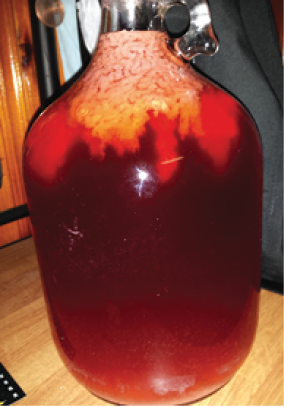
“Fruit Floaties”, Sweetening Wine, Free SO2 levels
Because sulfur dioxide is so easily-oxidizable, hydrogen peroxide naturally ‘finds’ the easily-oxidized SO2 and the two hopefully cancel each other out.
-
 article
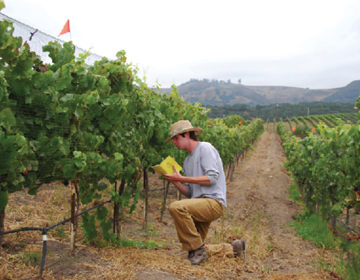
Detecting Vineyard Problems
Know what to look for to help identify problems in your home vineyard before they turn catastrophic.
-
 technique
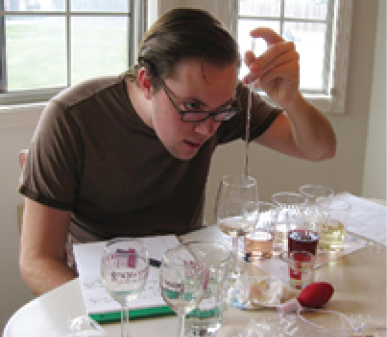
Blending Fruit and Grape Wines
-
 technique
Maximize Wine Aromatics
The aromatic calculus for whites differs from that for reds, and aromatics in young wines are a world apart from the aromatics of well-aged wines. There are lots of places where you can do things in your home winery to amplify aroma, which are also the same places you can let them slip away.
-
 technique
Small Batch Winemaking Techniques
Making wine in small batches, usually from 3 to 5 liters (3 to 5 quarts), is both easier and at the same time more exacting than making wine in much larger batches.
-
 technique
Big Batch Winemaking Techniques
-
 technique
Top 10 Winemaking Myths
As in many practices with a longstanding tradition before the scientific knowledge caught up, the field of wine and winemaking has its share of myths, misconceptions, and sheer quackery.
-
 article
Marechal Foch
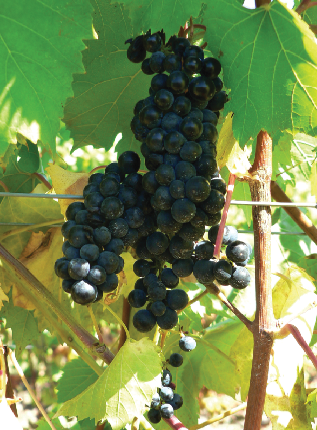
Marechal Foch is a cold-climate red grape that has dispersed plantings in the Midwest, Northeast, and Canada.
-
wine-wizard
“Fruit Floaties” — Strawberry Wine
-
 technique
Organic Grape Growing: Tips from the Pros
Growing grapes organically, like any other crop, is often more work than using synthetic fertilizers, solutions and sprays. But in the end, many winemakers who embrace organic growing believe the resulting wines display the purity of the fruit the way that Mother Nature intended.
-
-
 technique
Yeast Trials With Wine Kits
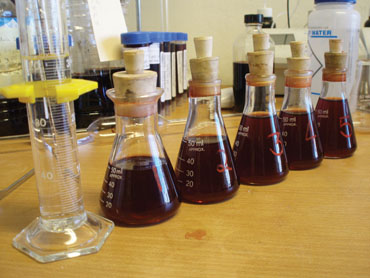
Just because your wine kit comes with a certain yeast, that doesn’t mean you can’t experiment with other options.
-
wine-wizard
Sweetening Wine Without Refermentation
-
 article
Vineyard Trellis and Training
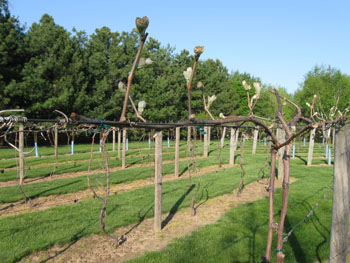
How do we focus on what’s important in a trellis and training system? Let’s look at the basic requirements and select a trellis system that has practical trellis design and installation parameters for the backyard grape grower.