Fine Wine in Less Time
When you want a finished wine quicker, there are techniques and products to help speed along the process of wine from grapes without sacrificing quality. It’s not cutting corners, it’s about working smarter.
Check out the WineMaker trip to Chile & Argentina during next year’s harvest in March 2027. Reserve your spot now as spaces are filling fast!

Want to get to your finished wine quicker? We explore the techniques and products to help speed along the process of wine from grapes without sacrificing quality. It’s not cutting corners, it’s about working smarter.
When you want a finished wine quicker, there are techniques and products to help speed along the process of wine from grapes without sacrificing quality. It’s not cutting corners, it’s about working smarter.
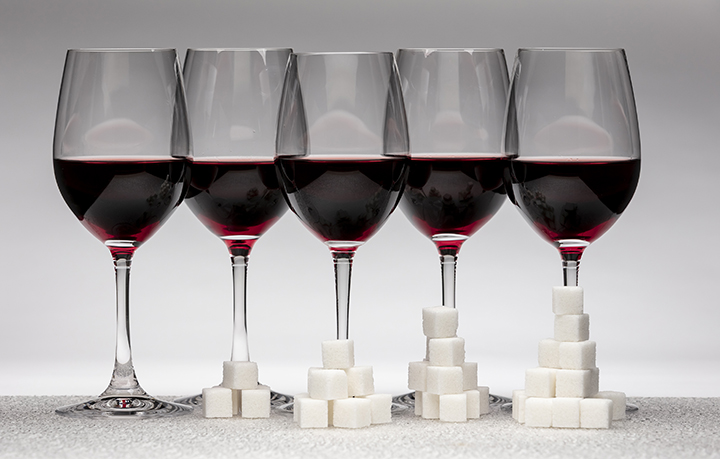
Adding sugar to bring up the Brix is necessary in parts of the world, especially during vintages with heavy rain. A Virginia winery did a study on the impact of adding different amounts and types of sugar, which home winemakers can take a page from when they have low-Brix grapes.
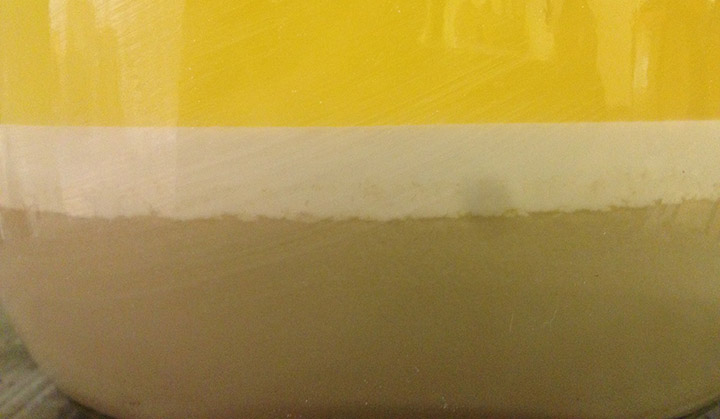
The benefits of aging white wine on the lees includes a softer mouthfeel, added weight and texture, added complexity, and a smoothing of the acids. However, if you aren’t careful it can also contribute to reductive qualities that can make a wine smell of rotten eggs.
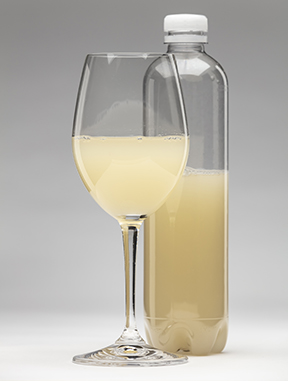
Popular in parts of central Europe where it’s often sold from carts on the side of the road during a short period each fall, federweißer is a partially fermented, low-alcohol wine that is intended to be consumed before fermentation is complete.
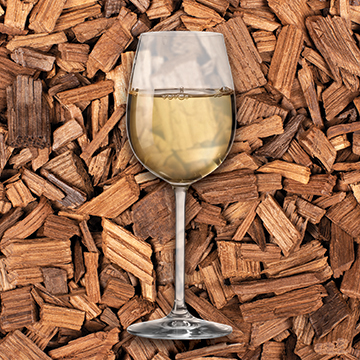
Always start small with additions — it’s much easier to add more than to take something out later. That said, the Wine Wizard shares advice for rescuing an over-oaked Chardonnay, along with tips on selecting yeast, managing hard water, and troubleshooting a stuck fermentation.
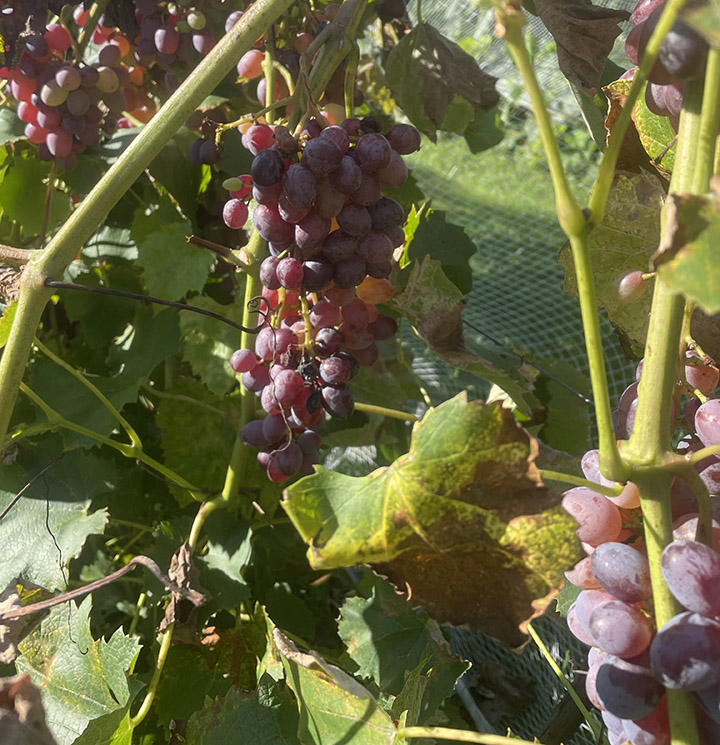
Jupiter — a grape that gets its name from the girth of its berries — is often grown for eating, but the purple-skinned grape can also be turned into a lovely white or rosé wine.
With harvest behind us and our wines safely fermenting or in bulk storage, it’s time to reflect on the past year’s struggles and triumphs in the vineyard — and to take notes on what can be improved for next year.

We take you behind the scenes of a collegiate wine competition hosted by Allan Hancock College in Santa Maria, California, with help from a local home winemaking club, where many schools with enology programs showcased their class-made wines.
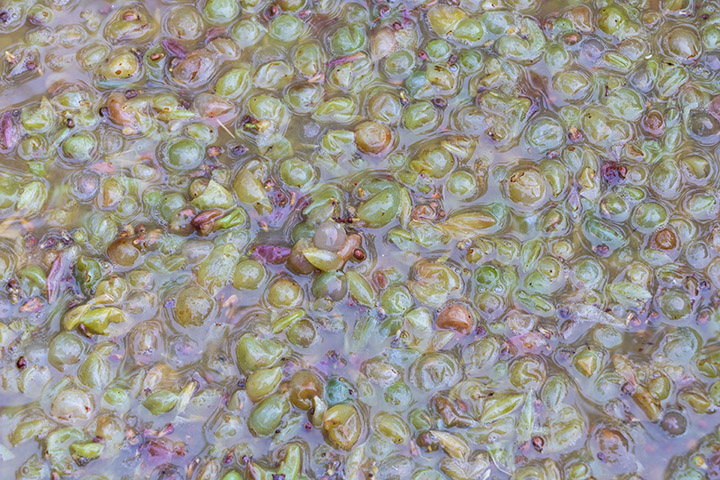
Orange wine is made by treating white grapes in a similar manner to red wine production, with fermentation conducted on the skins. Even if orange wine isn’t the goal, allowing some skin contact with your white wines can enhance their aromatics.

Two pro winemakers share their approach to conducting malolactic fermentation — one prefers to begin it a couple days after primary fermentation takes off, the other allows primary to finish before beginning the secondary malolactic fermentation.