Zinfandel: ‘America’s’ grape
We all are familiar with White Zinfandel, the rosé style that enjoyed immense popularity in recent years and led to the emergence of a rosé boom with other varieties.
Check out the WineMaker trip to Chile & Argentina during next year’s harvest in March 2027. Reserve your spot now as spaces are filling fast!

Ready to take your home winemaking to the next level? Explore tips and techniques for crafting 25 of the world’s classic grapes into your own wine.
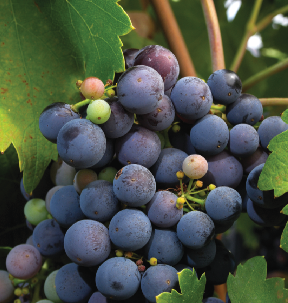
We all are familiar with White Zinfandel, the rosé style that enjoyed immense popularity in recent years and led to the emergence of a rosé boom with other varieties.
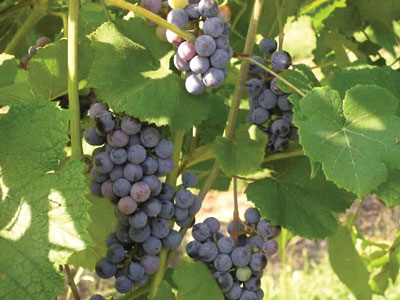
The experts surmise Norton is likely a cross between V. aestivalis and an unknown V. vinifera species. There is possibly some contribution of V. labrusca.
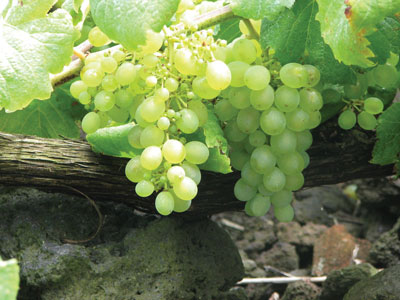
Verdelho is the most widely planted grape on the Portuguese island of Madeira.
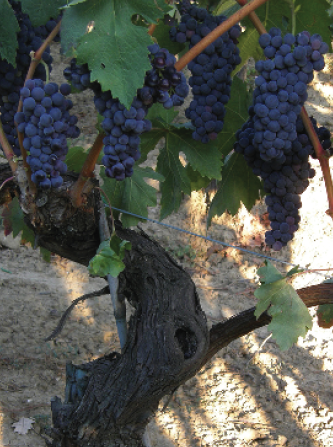
Tempranillo is the predominant black grape variety from the northern wine region of Spain we know as the Rioja, and other regions of the Iberian Peninsula.
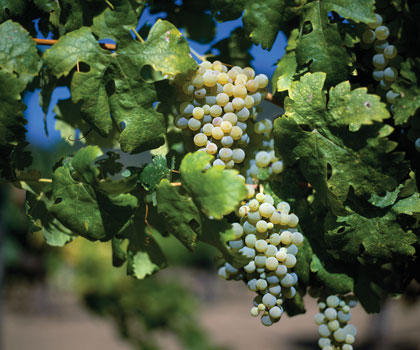
Despite its innocuous character, Colombard is a good choice for home winemakers, as it is easy to work with and allows for a wide scope of techniques and styles.
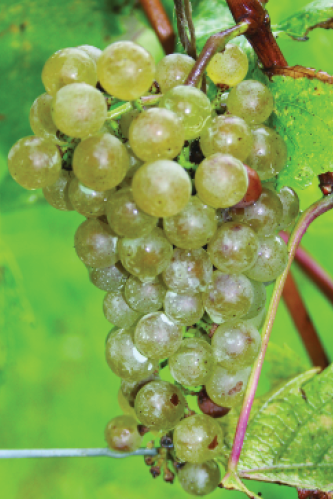
Sauvignon Blanc originated in the Loire Valley of France, and people started cultivating it as a wine grape starting sometime in the 19th century.
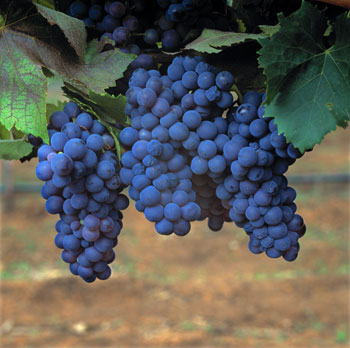
In the vineyard, Grenache is extremely vigorous and needs a long growing season to mature all of its fruit.
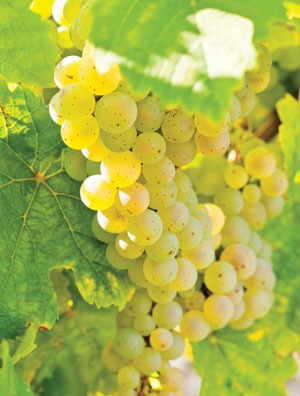
To this day, I consider that Riesling vintage one of the best wines I ever made, and I wish I could find a bottle or two in my cellar to taste what I had predicted to be a very graceful aging wine.
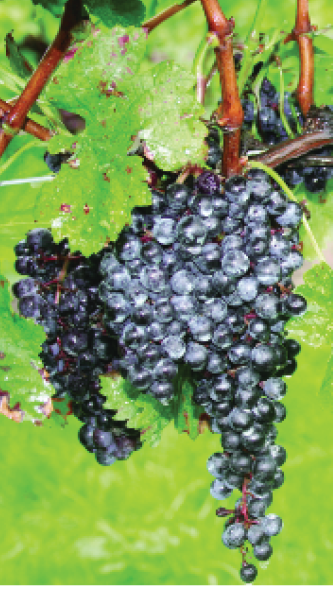
. . . Merlot is the most common grape variety grown in France with about 280,000 acres.
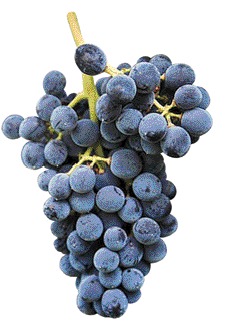
. . . Sicily’s legacy of red wine is all about Nero d’Avola, second only to Catarratto Bianco. There are almost 18,000 hectares (about 46,000 acres) of Nero in Sicily.
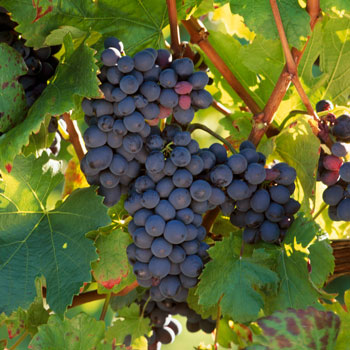
Pinotage is the most recognized — though not the most widely grown — South African red wine grape.
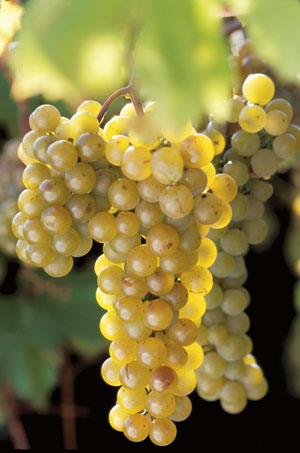
Looking for a cold-hardy white to grow in a colder northern clime? Meet the University of Minnesota’s La Crescent.
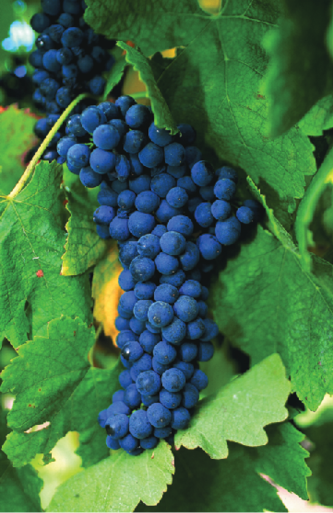
Australia recognizes Syrah as Shiraz. It is presumed that the name stuck as the cuttings that were brought to the country in the 1830s by James Busby were identified with the names Ciras and Scryas, making it difficult to research the origins of the name, given the Iranian connection . . .
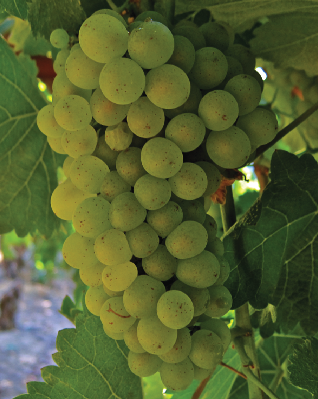
Viticulturists in the Loire Valley tend to describe its flavor as an expression of the terroir of the land.
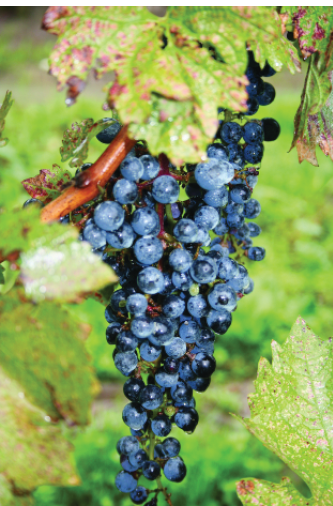
Cabernet Sauvignon is known for making some of the world’s most robust red wines.
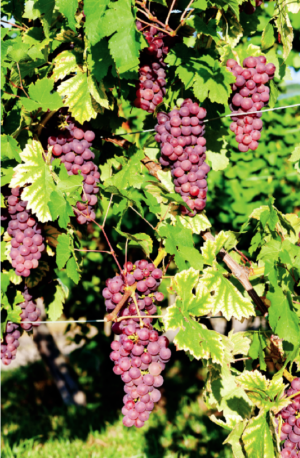
Alsace vineyards are tucked into the predominantly east facing slopes of the Vosges Mountains . . .
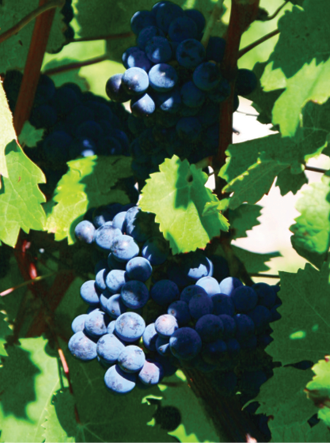
Cabernet Franc is thought to have originated in Southwest France, specifically in Libournais.
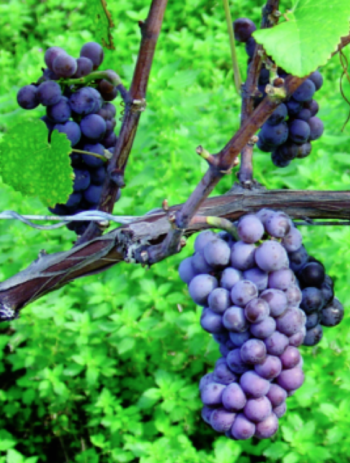
Unknown to the science at the time, these genetic mutations were first noticed hundreds of years ago in Burgundy, France, where the mutants grew side by side, and sometimes within the same plant as Pinot Noir.
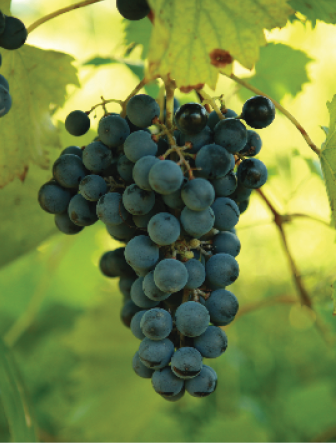
. . . (Chambourcin) does get a little more respect than other hybrids because of its ability to improve color in other wines without taking away from the other grapes’ varietal character . . .
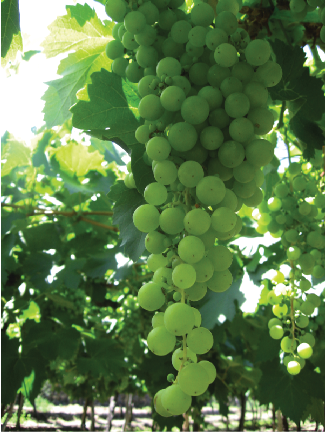
I was particularly drawn to Torrontés because of the Muscat-like flavors, but another reason was because of the challenge it presents from a winemaking perspective . . .
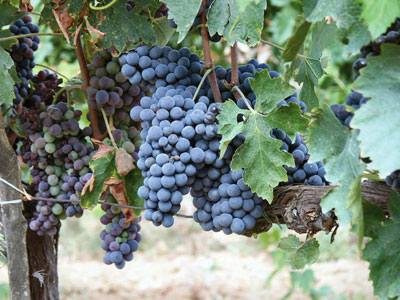
Grapes in Tuscany are a way of life, and Sangiovese, the red workhorse of Tuscany through the millennia, is as noble as they get — well, depending who you talk to.
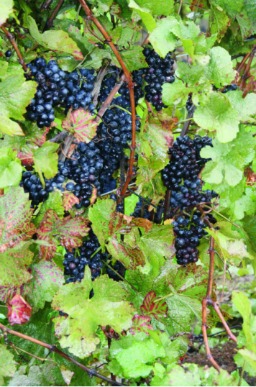
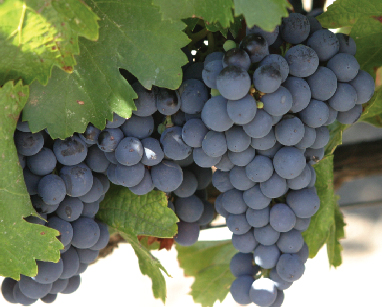
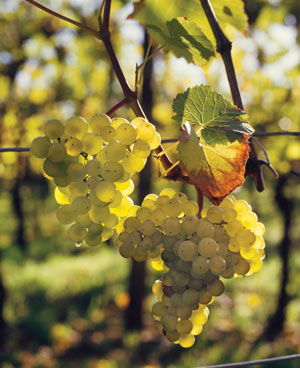
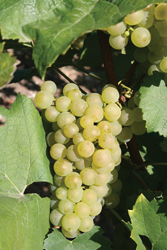
Chardonnay is one of the world’s most popular wine grapes among commercial and home winemakers. Here is how to craft your own.