Wines of Austria
Grüner Veltliner is Austria’s most widely planted and heralded wine grape, but there are more than 40 varieties Austrians use to make wine. Learn more about how these wines are made from three professional Austrian winemakers.
Check out the WineMaker trip to Chile & Argentina during next year’s harvest in March 2027. Reserve your spot now as spaces are filling fast!

In our April / May 2026 issue we visit the land of Grüner Veltliner and ask Austrian winemakers for advice crafting wine from this high-acid grape and other native varieties. Plus, ways to influence mouthfeel, ferment your own foods, and the new innovative winemaking products.
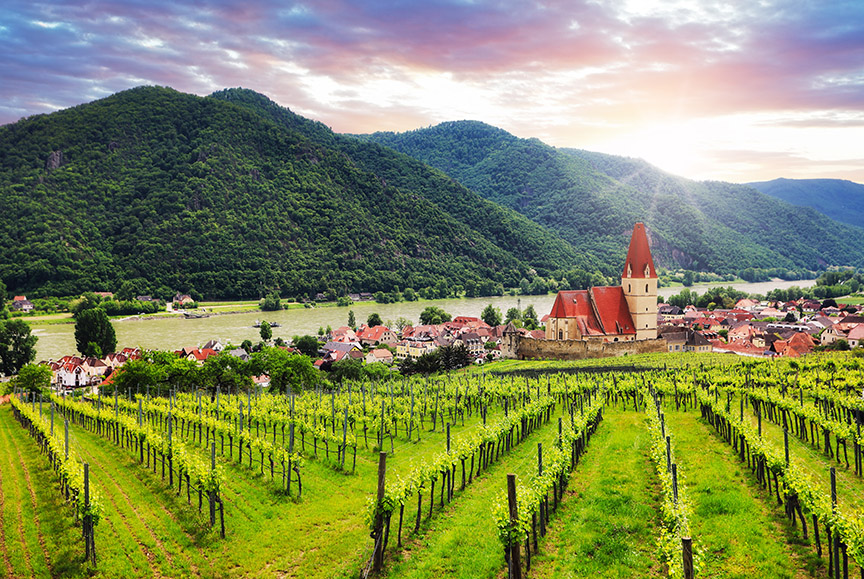
Grüner Veltliner is Austria’s most widely planted and heralded wine grape, but there are more than 40 varieties Austrians use to make wine. Learn more about how these wines are made from three professional Austrian winemakers.
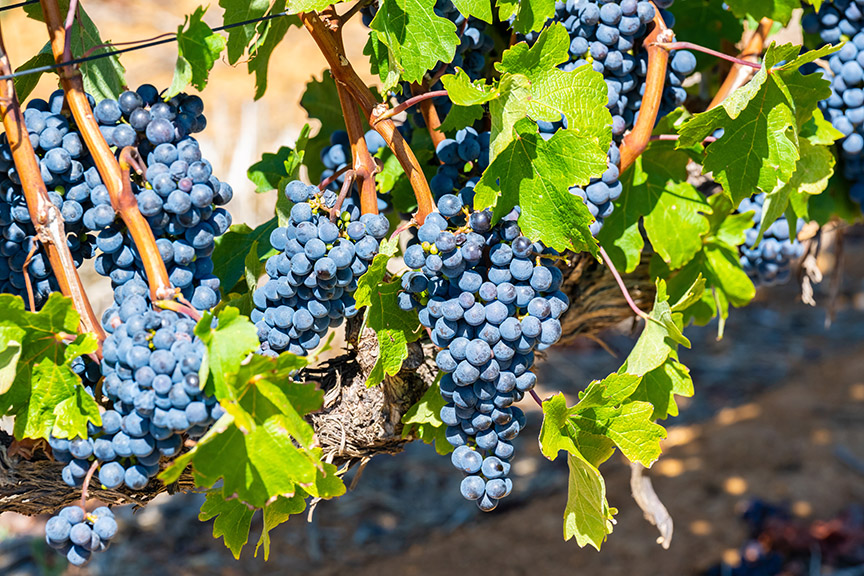
Pinotage is a South African variety with dark fruit and spice character that has made a name for itself in recent decades. North American winemakers can find it available in the spring after being shipped in from the Southern Hemisphere harvest, so now is a great time to familiarize yourself with this grape.
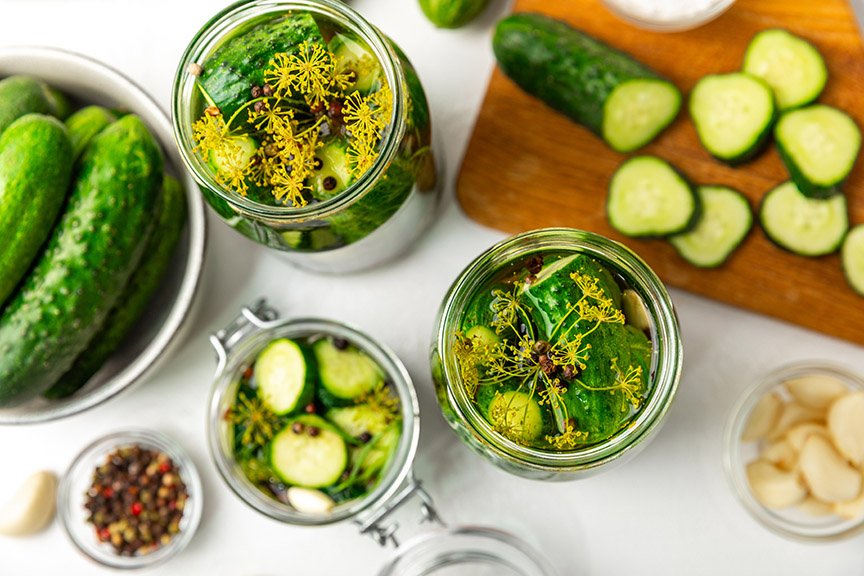
Learn the basics of fermenting food, with steps and recipes to make your own fermented pickles, sauerkraut, and hot sauces.
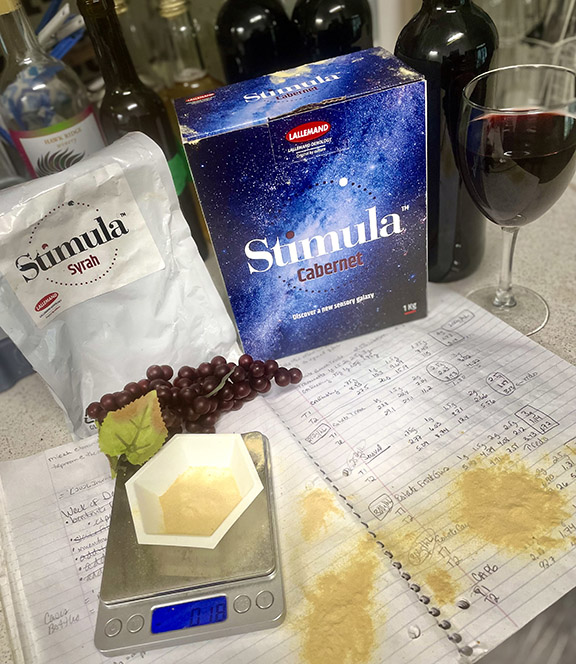
Pro winemaker Maureen Macdonald shares some of her favorite enological and viticultural products available to home winemakers and grape growers that have been released in recent years.
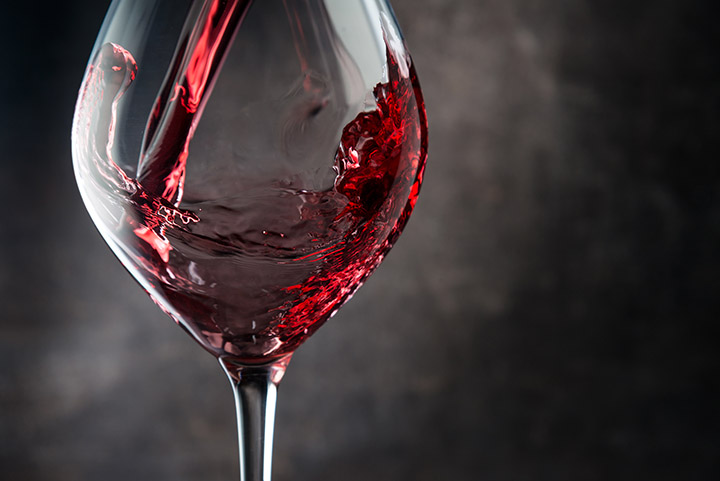
Whether the body of your wine is too thin, fallen out of balance during bulk aging, or has stubborn tannins that resist softening, there are solutions. From tannins, mannoproteins, inactivated dry yeast, gum arabic, glycerol, and fining agents . . . you just need to know which to add to treat what ails your wine.
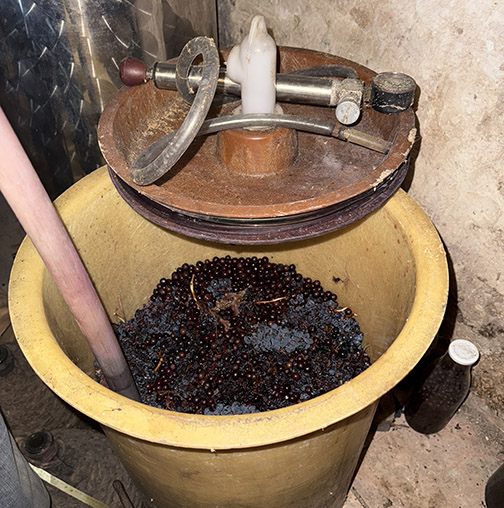
Used to emphasize fruity character or reduce earthy or “foxy” flavors, carbonic maceration is a red winemaking whole bunch fermentation technique in which the first phase of fermentation is conducted in an anaerobic atmosphere. Maceration can be broken into three techniques, each having different outcomes with the resulting wine.
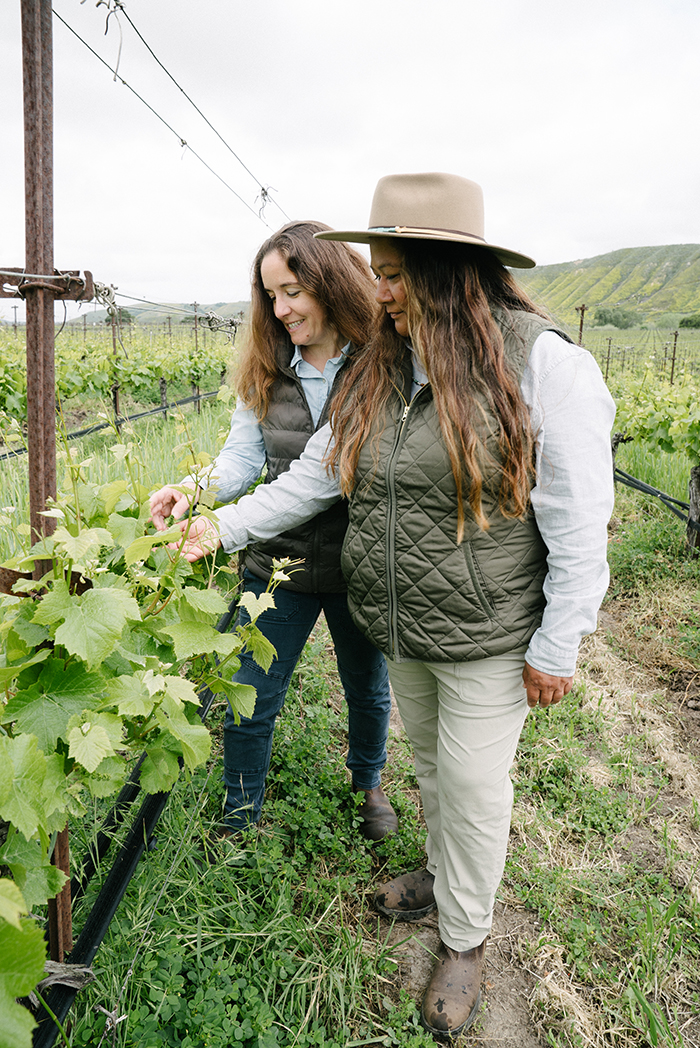
Winemakers from four North American wineries share how they approach the high-acid Austrian variety Grüner Veltliner when it’s grown closer to home.
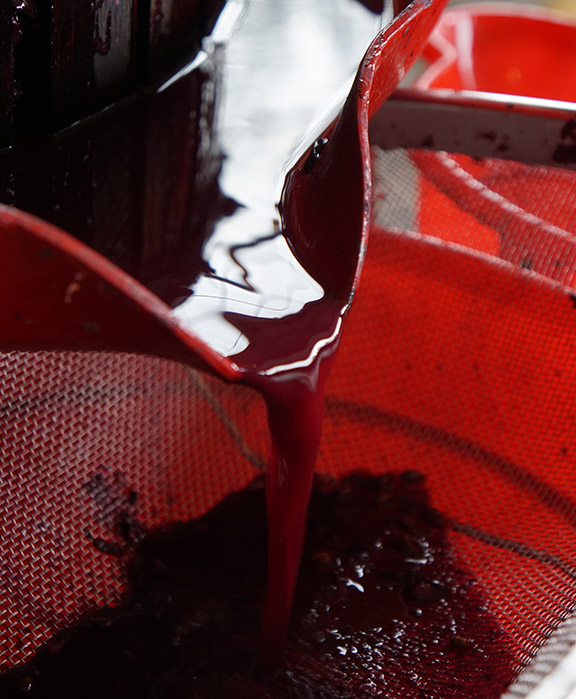
You may think of tannins as no more than the drying or puckering sensation they provide; however, tannins also play a role in mouthfeel, color, and aging potential. Learn more about different kinds of tannins and their applications in each phase of winemaking.

A winemaking club in Paso Robles, California, shares how they are assisting the next generation of winemakers through a unique scholarship program for high school grads going into the fields of viticulture or enology.
I am looking for strategies to reduce quercetin in red wine. Does using PVPP help with this and if so, are there thoughts on how to best use it?
How and when do I measure to determine how much tartaric to add, what the tartaric ppm should be, and any other question I don’t know to ask!
Why and how to to homogenize your wine prior to bottling.