Turn a Flawed Wine Into a Great Cocktail
You’ve just uncorked your six-month labor of love; a batch of strawberry wine you’ve been anticipating since last summer’s harvest. The color looks perfect, the clarity is brilliant, but that first sip brings a sharp, puckering acidity that makes you wince. Your carefully planned celebration suddenly feels like a wake for wasted effort. But here’s what professional winemakers have known for centuries: The distance between disappointing wine and a delicious cocktail is often just one ingredient away.
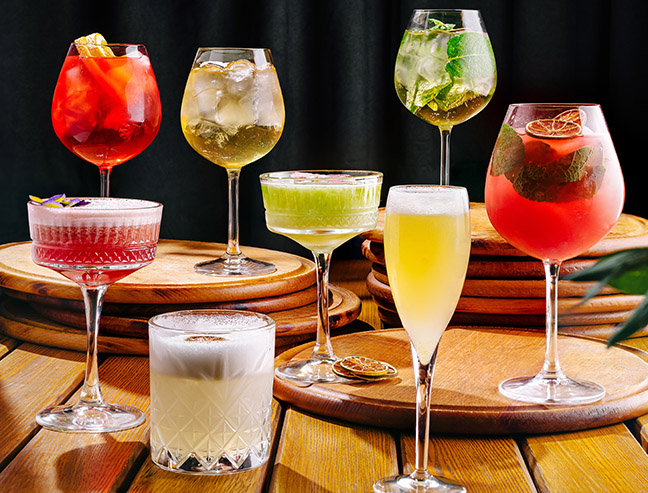
In Spain’s Basque Country in 1972, festival organizers faced a crisis when their wine supplier delivered thousands of bottles of unsatisfactory, harsh red wine. Rather than cancel the event, someone mixed the rough wine with Coca-Cola, popularizing the now legendary kalimotxo. That improvisation didn’t just save a festival; it launched a cultural phenomenon that’s still popular today. Your kitchen holds the same potential for creative rescue, and your flawed batch might be one mixing pitcher away from becoming your signature drink.
This isn’t about settling for second best. It’s about developing the kind of resourcefulness that separates frustrated hobbyists from confident winemakers who understand that versatility matters as much as perfection. The recipes and techniques that follow will demonstrate how to diagnose what went wrong with your wine, match that specific flaw to a strategic cocktail solution, and transform months of work into something genuinely worth sharing.
Before beginning, I also have to say that not every flawed wine can be rescued. Structural problems like excessive acidity, harsh tannins, or thin body can often be balanced in cocktails, but wines that have spoiled through microbial contamination and display prevalent volatile acidity (VA), mold, or severe off-odors should be discarded rather than repurposed. The techniques that follow work best for wines that are drinkable but disappointing.

Common Wine Flaws and How to Spot Them
Before you can fix a problem, you need to understand what you’re dealing with. Home winemakers encounter several common flaws, each with distinct characteristics. Learning to diagnose these issues is the first step toward salvaging your batch.
Excessive Acidity
Overly acidic wine tastes sharp, tart, and can make your mouth pucker. While some acidity is desirable for balance, too much creates an unpleasantly sour experience. This often occurs when fruit is picked too early or when acid levels aren’t properly adjusted during fermentation. White wines and hybrid grapes are most susceptible. The wine may smell pleasant but taste uncomfortably tart on the palate.
Residual Sweetness
Sometimes fermentation stalls before all the available sugar has been consumed by yeast, leaving wine sweeter than intended. This can happen when yeast activity stops prematurely due to temperature fluctuations, nutrient deficiency, or alcohol levels reaching the yeast’s tolerance threshold. A dry wine that tastes unexpectedly sweet or syrupy indicates residual sugar. While some wine styles embrace sweetness, it can be cloying when unintended.
Thin or Watery Body
Body refers to the weight and texture of wine in your mouth. Thin wine lacks substance and mouthfeel, often resulting from insufficient tannins, low alcohol content, or over-dilution. The wine might taste fine initially but lacks the richness and structure that makes wine satisfying. Red wines especially suffer when they taste watery or insubstantial.
Harsh Tannins
Young red wines often display aggressive tannins that create an astringent, drying sensation in your mouth. While tannins mellow with age, sometimes they never mellow to the desired point. This happens when grapes have thick skins, seeds are over-extracted, or stems aren’t properly removed. The wine leaves your mouth feeling dry and puckered, overshadowing fruit flavors.

Oxidation
Oxidized wine has been exposed to too much air during winemaking or storage. The telltale signs include browning color (whites turn amber, reds develop brown edges), flat flavors, and aromas reminiscent of Sherry, nuts, or bruised apples. In extreme cases, oxidized wine smells like cardboard or old caramel. White wines are more vulnerable to oxidation than reds because tannins act as natural preservatives.
Volatile Acidity (VA)
When wine smells distinctly of vinegar, you’re encountering VA caused by acetic acid bacteria converting alcohol into acetic acid, usually due to oxygen exposure or contamination. In some cases, you may notice a sharp solvent-like aroma similar to nail polish remover, which comes from ethyl acetate, a related compound that forms alongside acetic acid. Low levels can add complexity, but high levels make wine smell like salad dressing.
Matching Wine Flaws to Cocktail Solutions
The beauty of using cocktails to salvage flawed wine lies in strategic pairing. Each cocktail style addresses specific flaws by balancing flavors, adding complementary elements, or masking undesirable characteristics. Here’s how to match your wine’s problem to the perfect cocktail fix.
For overly acidic whites, spritzers work wonders. Dilution with sparkling water or soda mellows the sharp acidity while carbonation adds refreshing effervescence. The dilution reduces acid concentration without compromising flavor, creating a lighter, more approachable drink perfect for warm weather sipping.
Too-sweet wines turn into a great sangria base. Fresh fruit, citrus juice, and optional brandy adds layers of flavor that balance cloying sweetness. The fruit absorbs some sweetness while contributing tartness and texture. This works equally well for reds, whites, and fruit wines that turned out sweeter than intended.
Thin-bodied wines need substance, which juice-based cocktails provide. Adding orange, cranberry, or other fruit juices creates body and mouthfeel that thin wine lacks. The juice contributes natural sugars and texture, transforming watery wine into a
satisfying beverage.
Harsh young reds require tannin-taming, and kalimotxo delivers. The Spanish cocktail of red wine and Coca-Cola sounds unconventional but works brilliantly. Cola’s sweetness and spice balance aggressive tannins while carbonation lifts heavy flavors. This combination has saved countless batches of rough red wine throughout Spain
and beyond.
Oxidized wine finds redemption in mulled wine. Warming wine with aromatic spices like cinnamon, cloves, and star anise masks oxidation’s cardboard notes while creating cozy holiday flavors. This works best with reds that have gone flat or developed Sherry-like characteristics.
Wines with slight off-flavors respond well to heavily fruited sangrias where aromatic ingredients like oranges, apples, berries, and brandy distract from minor flaws. The key is using enough fruit and spice to shift attention from the base wine to the overall composition.
Six Tested Cocktail Recipes for Home Winemakers
These recipes are specifically designed to salvage common wine flaws while creating delicious drinks you’ll enjoy. Each includes variations for different wine types and tips from a home winemaking perspective.
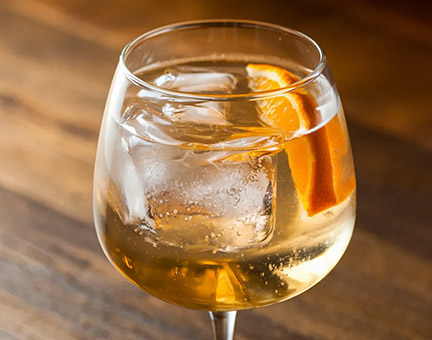
Classic Wine Spritzer
Best For
Overly acidic white wines, rosés, or light reds.
Ingredients (per serving)
3-4 oz. (90–120 mL) wine
1–2 oz. (30–60 mL) soda water or club soda
Ice cubes
Citrus wedge (lemon, lime, or orange)
Fresh fruit (Optional: Berries, peach slices, frozen grapes)
Instructions
Fill a large wine glass with ice. Pour wine over ice, then top with soda water to your preferred dilution ratio (start with 3:1 wine-to-soda, adjust to taste). Squeeze citrus wedge over drink and drop it in. Add fresh or frozen fruit if desired. Stir gently and serve immediately.
Pro Tips
For fruit wines that are too acidic, this works beautifully. Try frozen fruit instead of ice to avoid dilution as it melts. The frozen fruit also adds subtle flavor as it thaws. Red wine spritzers work too — use a 1:1 ratio of wine to soda for fuller-bodied reds. For extra sophistication, add a dash of Angostura bitters.
Kalimotxo
Best For
Harsh young red wines with aggressive tannins.
Ingredients (per serving)
4 oz. (120 mL) wine
4 oz. (120 mL) Coca-Cola (or any cola)
Ice cubes
Lemon or orange wedge (optional)
Sprig of mint for garnish (optional)
Instructions
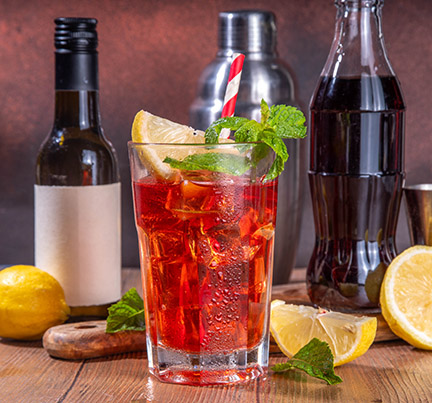
Fill a glass with ice. Pour red wine over ice first, then add cola. Stir gently. Squeeze citrus wedge (if using) and drop it in. Serve immediately.
Pro Tips
This originated in Spain’s Basque Country, where it remains popular. It sounds strange but tastes remarkably like sangria. The cola’s caramel notes complement red wine’s fruit flavors while sweetness tames harsh tannins. Use the classic 1:1 ratio, though you can adjust to be sweeter (more cola) or drier (more wine). This works especially well with young, tannic homemade reds.
Wine Sangria
Best For
Overly sweet wines, thin-bodied wines, or wines with slight off-flavors.
Ingredients (serves 6–8)
1 bottle (750 mL) red, white, or fruit wine
1⁄4 cup brandy (optional)
1⁄4 cup orange juice
2 Tbsp. sweetener (honey, maple syrup, or sugar)
1 apple, cored and chopped
1 orange, sliced
1 lemon, sliced
1 cup seasonal berries or sliced stone fruit
1 cinnamon stick
Club soda or lemon-lime soda (optional, for serving)
Instructions
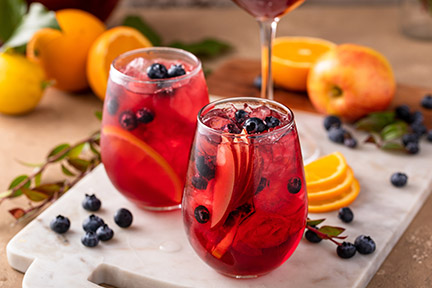
In a large pitcher, combine chopped fruit, wine, brandy, orange juice, and cinnamon stick. Stir well. If your wine needs more sweetness, add sweetener one tablespoon at a time, tasting as you go. Refrigerate for at least two hours or up to 24 hours; longer is better as fruit flavors infuse the wine. When serving, pour over ice and top with a splash of club soda if you want fizz. Include some of the infused fruit in each glass.
Pro Tips
This is incredibly forgiving and works with virtually any wine type. For overly sweet wine, skip the additional sweetener and use tart fruits like cranberries or grapefruit. For thin wine, the fruit adds body and texture. Slight off-flavors disappear under all the fruit and spice. Use frozen fruit to keep sangria cold without ice dilution. Berry or other fruit wines work wonderfully here as well.
Mulled Wine
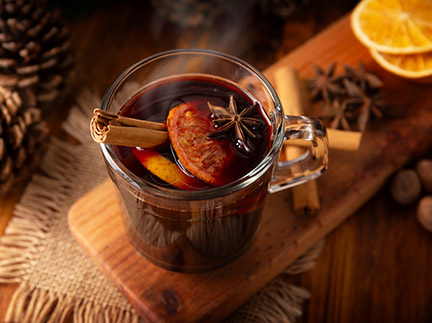
Best For
Oxidized red wines, flat wines lacking complexity.
Ingredients (serves 4–6)
1 bottle (750 mL) red wine
1⁄4 cup brandy (optional)
1 cup apple cider or apple juice
2–3 Tbsp. honey or maple syrup
1 orange, sliced (plus zest from half)
3–4 whole cinnamon sticks
4–6 whole cloves
2–3 star anise pods
Fresh cranberries or raisins (optional garnish)
Instructions
Combine all ingredients besides the brandy and garnish in a large pot. On the stove, heat on medium-low until the mixture is steaming but not boiling (boiling drives off alcohol and dulls the flavors). Keep the wine just below a simmer for at least 30 minutes, up to 3 hours. The longer it stays warm, the more the spices will infuse. Stir in brandy (if using). Taste and add more sweetener if needed. Strain out spices and orange pieces. Ladle into heatproof mugs or glasses and serve warm. Garnish with orange slices, cinnamon sticks, or fresh cranberries.
Pro Tips
This is the ultimate rescue for oxidized wine. The warm spices completely mask cardboard or Sherry notes. Use whole spices, never ground, which float and taste bitter. For convenience, make this in a slow cooker on low for 2–3 hours, then switch to a warm setting for serving at parties. Even seriously oxidized wine becomes delicious mulled wine because you’re creating an entirely different flavor profile.
White Wine Punch
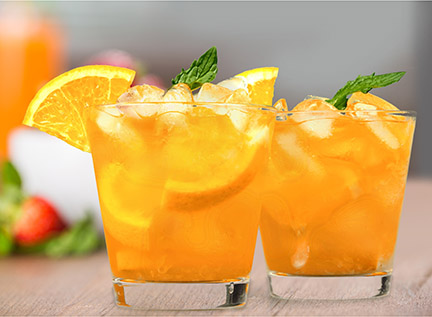
Best For
Flat white wines, wines with slight off-flavors.
Ingredients (serves 8–10)
1 bottle (750 mL) white wine
2 cups pineapple juice
1 cup orange juice
1⁄2 cup lemon juice
1⁄4 cup simple syrup or honey
2 cups ginger ale or lemon-lime soda
Fresh fruit slices (oranges, lemons, pineapple)
Fresh mint leaves
Instructions
In a large punch bowl or pitcher, combine wine, all fruit juices, and sweetener. Stir well to dissolve sweetener. Refrigerate for at least 1 hour. Just before serving, add ginger ale or lemon-lime soda and ice. Float fruit slices and mint leaves on top. Ladle into glasses, making sure each gets some fruit.
Pro Tips
The fruit juices provide so much flavor that off-notes disappear completely. This is perfect for saving white wine that’s gone flat or developed off-flavors. The ginger ale adds carbonation and spice that lifts everything. You can substitute different juices based on what you have — try cranberry, white grape, or passion fruit. Freeze some of the juice into punch ice cubes so the punch is not diluted as they melt.
Frozen Wine Slushy
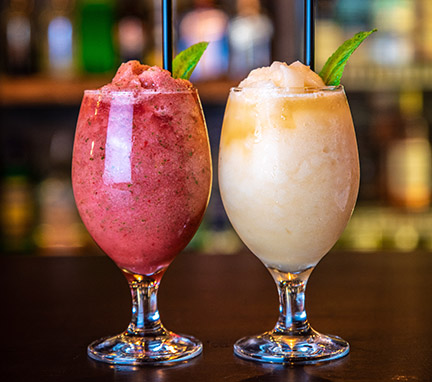
Best For
Fruit wine that needs salvaging, especially in summer.
Ingredients (serves 2–3)
2 cups of fruit wine (strawberry, peach, cherry, etc.)
1 cup frozen fruit (matching wine flavor or mixed berries)
1⁄2 cup ice cubes
2 Tbsp. simple syrup or honey (adjust to taste)
Juice of 1 lime
Fresh mint for garnish
Instructions
Combine wine, frozen fruit, ice, sweetener, and lime juice in a blender. Blend on high until smooth and slushy. Taste and adjust sweetness. Pour into glasses and garnish with fresh mint. Serve immediately with straws.
Pro Tips
This works with virtually any fruit wine and transforms even mediocre batches into refreshing frozen treats. The blending masks subtle off-flavors while frozen fruit adds intense flavor and natural sweetness. For adult popsicles, pour mixture into molds and freeze. You can also make this with red or white wine; blend red with frozen cherries or berries, white with frozen peaches or mango. The lime juice brightens everything and cuts through sweetness.
Storing Imperfect Wine Until You’re Ready
Once you’ve identified a batch that needs rescuing, proper storage ensures it doesn’t deteriorate further before you can transform it into cocktails. Storing these wines cool is always a good idea. For long-term storage of rescue batches, consider freezing wine in ice cube trays. Wine cubes are brilliant for cocktails; pop a few into your glass and add soda for an instant spritzer. They keep indefinitely in the freezer and prevent waste. Label cubes by wine type so you know what you’re working with later.
When making batch cocktails for parties, prepare everything except carbonated ingredients ahead of time. Mix wine with fruit, juices, and liqueurs, then refrigerate. Add soda, sparkling wine, or sparkling water just before serving to maintain fizz. Sangria actually improves with overnight refrigeration as flavors meld and fruit infuses the wine.
Learning from Your Imperfect Batches
Every flawed batch offers valuable lessons that make you a better winemaker. Rather than viewing cocktail solutions as admitting defeat, see them as creative and practical tools while you develop your skills.
Keep detailed tasting notes on every batch, including what went wrong and what cocktail saved it. When you’ve made a particularly successful rescue cocktail, note the recipe and proportions. You might discover that your overly sweet elderberry wine makes incredible sangria, or that harsh young Cabernet transforms beautifully into kalimotxo. These discoveries expand your winemaking toolkit beyond traditional wines.
Understand that there’s a difference between flawed wine and spoiled wine. Flawed wine has issues like excessive acidity or harsh tannins but remains safe to drink. Spoiled wine has turned to vinegar, developed mold, or shows signs of dangerous contamination. Trust your senses: If wine smells like rotten eggs, nail polish remover in extreme amounts, or shows visible mold, it should be discarded.
Share your experiences with fellow home winemakers. Online forums and local winemaking clubs benefit from honest discussions about batches that didn’t turn out perfectly and how they were salvaged. You’ll find you’re not alone in facing these challenges, and the community often has additional creative solutions to share.
Remember that countless classic cocktails originated from similar situations; bartenders and winemakers finding creative uses for imperfect products. Sangria itself began as a way to make rough wine more drinkable. The kalimotxo saved thousands of bottles of bad wine and a festival. Your kitchen experiments continue this proud tradition of resourcefulness. After all, winemaking and wine drinking should be about pleasure, creativity, and sharing good times with good people.
Further Reading . . .
• Here is another example of turning a flawed wine into a crowd-pleasing cocktail.
• Learn more about the art of making wine cocktails, with more great recipes to try!