Wine Mimosas
Every winemaker has experienced the disappointment when tasting day comes and the batch they’ve worked so hard on is unpalatable.
I remember it like it was yesterday: Standing in my parents’ kitchen, giddy with excitement to taste and share my newest creation. Prior to this moment, I had only made one batch of wine – an apple wine made using 5 gallons (19 L) of Mott’s apple juice and a recipe I found online.
Without much winemaking experience or knowledge, I operated under the naive assumption that a fruit is a fruit, so I took the same apple wine recipe and just switched out the fruits for my next two batches. Instead of apple juice, I recklessly dumped pineapple juice into one fermenter and grapefruit juice into a second fermenter bucket and dosed them with the same measurements of tannin, acid, and sugar as I had for my previous apple wine.
My first mistake was using pineapple and grapefruit this early in my career without understanding the chemistry behind winemaking. Both fruits are very hard to finesse into fine wines due to their high titratable acid (TA) levels, dense pectin, and high sugar content.

My second mistake was treating all fruits equally, which, if you have made wine before, you know is a false — and often disastrous — assumption. The apple wine recipe I was using called for 2.5 tablespoons of acid blend to balance out the apple juice’s naturally high malic acid. Pineapple and grapefruit, on the other hand, are packed with citric acid. Their already-high titratable acidity skyrocketed with the acid additions.
The result was two batches of hazy, painfully acidic, and unbalanced wine. They were undrinkable. Or so I thought.
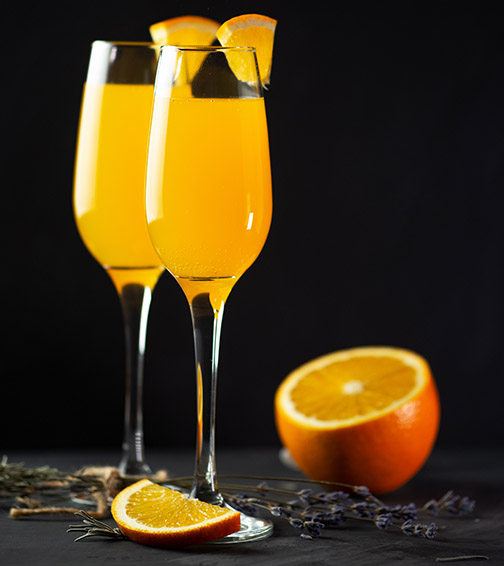
Faced with the reality of losing over $200 of wasted ingredients, I brainstormed ways to salvage my 10 gallons (38 L) of wine. What would mellow out the overwhelming taste of alcohol and mask the haze? Mimosas!
Instead of a standalone wine, these batches could be bottled as “cocktail additives.” My theory was that the orange juice would dial down the burning sensation of alcohol and the Prosecco would add the body it so desperately needed. Plus, who doesn’t love a mimosa?
With my final product and a newfound confidence, I started telling all of my friends about this innovative idea: Mimosa mixers.

They didn’t drink it to be polite; they actually loved it! The flaws that made the wine harsh and undrinkable on its own were the very features that made the cocktail complex, fruity, and unique. The tropical notes of pineapple and grapefruit were the perfect touch of whimsy for brunch mimosas and party cocktails. Not only that, but it also became a conversation starter and source of entertainment — a good drink and a good story!
Today, five years later, my winemaking techniques are based more in chemistry and wine knowledge (although I still haven’t given up the whimsy!). Yet, people occasionally still ask, “When are you going to bring back the mimosa mixers?”
I doubt I could recreate those first batches, which is probably for the best. Yes, it was a mistake in the sense that the resulting wine did not come out as intended. However, I know there were many lessons to be learned from those first batches — treat every fruit individually, positive marketing can completely reframe a product, and take notes of every batch (just in case you need to recreate a happy accident).
Further Reading . . .
Turning flawed wine into a cocktail can be done with all sorts of wine if you know what you’re doing. Here are techniques and recipes to create great drinks from subpar wine.