Oaking by Doing
Like many winemakers, I didn’t begin with a deep understanding of wine chemistry. I learned by doing. Early on, winemaking felt like following a recipe: Clean fruit, careful fermentation, patience, and the hope time would do the rest. Only later — through trial, error, and tasting — did I begin to understand how a handful of decisions quietly but permanently shape a wine. Among them, none proved more consequential than how oak is used.
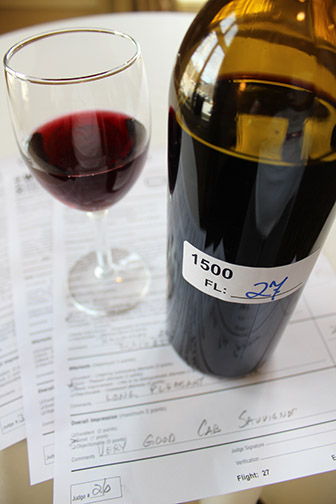
I write this not as a chemist or a commercial winemaker, but as a home winemaker who learned the craft hands-on, and as a wine judge who regularly evaluates both amateur and commercial wines.
Oak is seductive. It smells wonderful, promises polish, and suggests seriousness. But oak is also one of the least forgiving choices we make that cannot be dialed back once overdone — and in small lots its impact is magnified.
My first foray into oak was with a new 30-gallon (115-L) French oak barrel, followed later by a new Hungarian oak barrel. Both were eye-opening. The smaller format accelerated extraction, softening the wines early and adding weight and roundness. What surprised me most wasn’t the aroma, but the texture. Acidity was still present analytically, yet it felt muted. The wines were impressive early, but less engaging over time. These barrels taught me that oak doesn’t just add flavor — it reshapes how a wine feels and evolves.

My experience with oak chips came from exposure at trade shows, where sample kits including different species and toast levels were common. Chips are accessible and promise quick results — but that speed comes at a cost. In many wines, especially those made from ripe fruit, the oak character sat on top of the wine rather than integrating into it. I often perceived a resinous quality — phenolic, coating, and persistent — that dulled freshness and tired the palate. Once present, that character rarely resolved.
My experience shifted when I discovered Xoakers, small oak balls. Working primarily with French oak versions, I began cautiously — adding small amounts and tasting regularly rather than committing upfront. That approach made all the difference. Extraction was slower and cleaner, adding aromatic complexity without bitterness. The oak felt supportive rather than dominant, reinforcing a lesson I now share often: Control matters more than intensity. Oak should frame a wine, not seal it.
In addition to price, barrel cleanliness is a genuine concern for many home winemakers. Oak alternatives offer a practical solution by eliminating that risk, even if they sacrifice the slow oxygen exchange that barrels provide. Understanding this trade-off helps explain why alternatives are so widely used — and why restraint becomes even more important when oxygen is no longer part of the equation.
Years later, judging at wine competitions reinforced these lessons. Oak-related issues are among the most common challenges I see. By contrast, wines where oak is applied conservatively — even if they seem less impressive initially — tend to hold together better over time. Balance consistently outperforms intensity. Oak isn’t the enemy, but it is not a shortcut to quality.
Home winemaking taught me how wine is built. Judging taught me how it fails. Oak taught me restraint. Learning by doing doesn’t require mastering chemistry, but it does require listening — to the wine, to the palate, and sometimes to mistakes.