Bench Trials: Tips from the Pros
Get tips on performing bench trials at home from three pros who utilize bench trials at their day jobs.
Check out the WineMaker trip to Chile & Argentina during next year’s harvest in March 2027. Reserve your spot now as spaces are filling fast!

Have a great harvest with tips on cold soaking, skin contact, and other essential winemaking advice. Plus, home winery quality control.
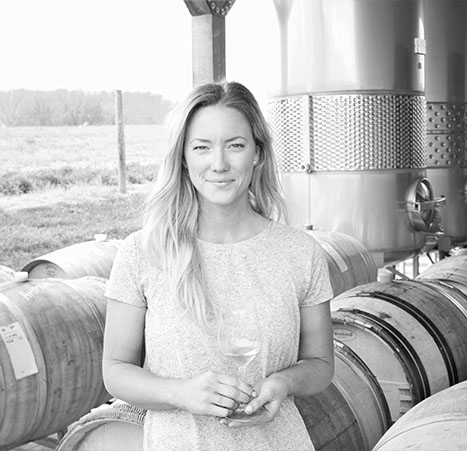
Get tips on performing bench trials at home from three pros who utilize bench trials at their day jobs.

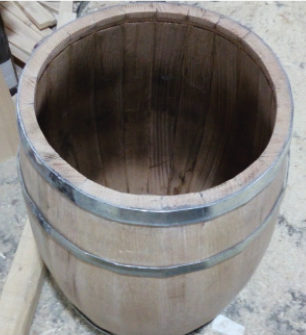
It is entirely normal for the first soaking of a barrel to produce a dark-colored water.
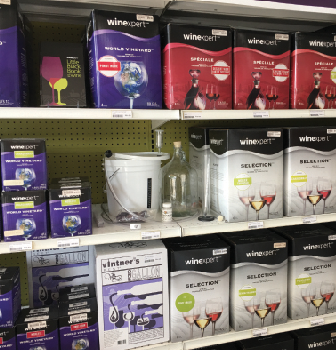
A Texas winemaker wanted to indulge a friend who has always wanted to make his own wine by buying a wine kit as a birthday gift. But little did she know all the choices she would need to make before settling on the right one!
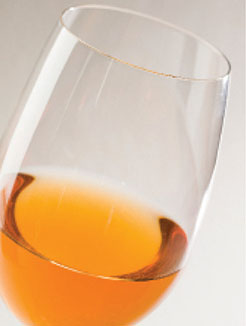
You may have noticed the “orange wines” that have been popping up on trendy wine lists lately. These are white wines that are purposely exposed to skin contact and oxidized to produce wines that are quite orange in appearance.
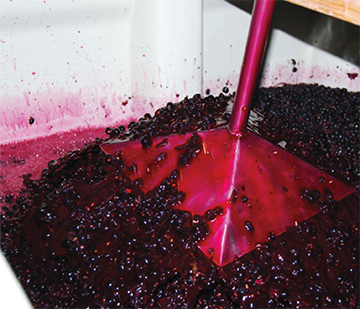
Winemakers have to decide how long to macerate their grapes to make the best wine. But how? Too little skin contact and the wines can lack color or body; too much contact and you wind up with wines that are too bitter or astringent. Learn more about skin contact to make an informed decision.
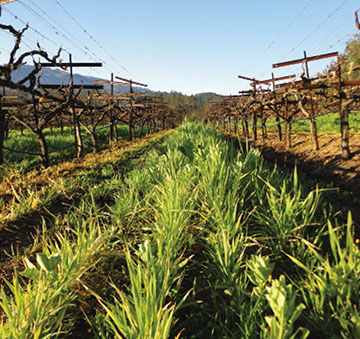
Pat Henderson, Chief Winemaker at Sonoma County, California’s famed Kenwood Vineyards, shares some universal winemaking advice that he has learned over the course of his more than 35 commercial vintages, and from his early years as a hobby winemaker.
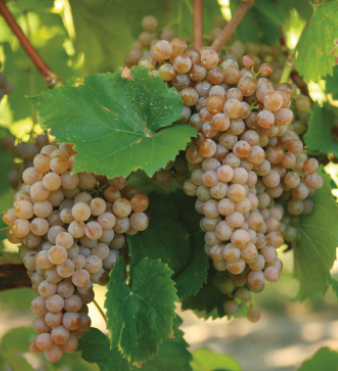
Gewürztraminer is a white grape with origins in the Alsace-Lorraine departments of France recognized for its prominent terpenic aromatic characters
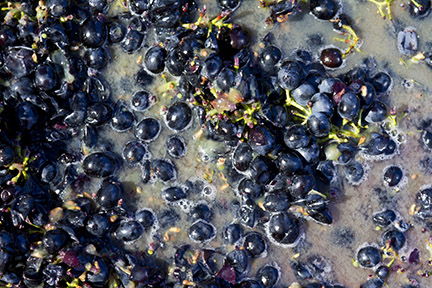
Cold soaking proponents believe that wines made utilizing a cold soak are more complex and fruit-forward, and exhibit improved color retention. By soaking their grapes at lowered temperatures for a period of time, they can extract anthocyanins (color), aromatics, supple tannins, improved mouthfeel, and flavor compounds more effectively than is thought to be possible with conventional methods.