Cerasuolo Rosé
When most home winemakers set out to make a rosé, the goal is almost universally the same: Replicate the pale, delicate, whisper-pink wines of Provence. In our cellars, we often treat color as the enemy. We obsess over minimizing skin contact, racing against the clock to press the grapes gently and keep our juice as pristine and clear as possible. But by chasing that translucent ideal, we are leaving an entirely different, deeply traditional (and incredibly rewarding) style of pink wine unexplored.
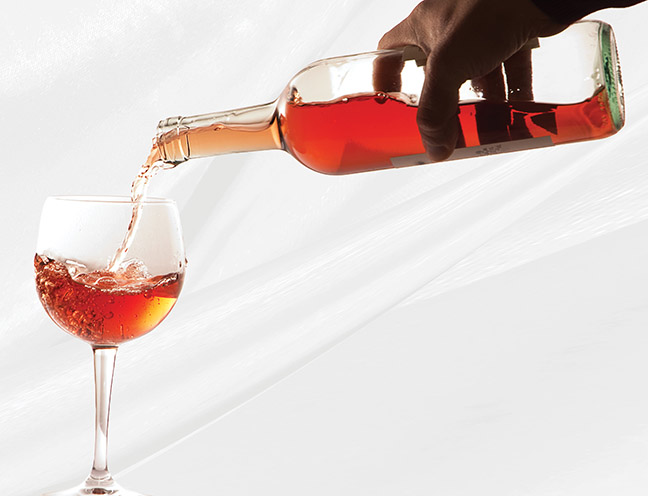
Hailing from the Abruzzo region of Italy, Cerasuolo (meaning “cherry-like”) isn’t just a shade of pink; it is a specific winemaking philosophy. It yields a deep cherry-red, robust, and highly structured wine. Rather than treating the grape skins as a liability to be quickly discarded, the Cerasuolo method embraces them, extracting a calculated amount of color, flavor, and texture.
Why would you want more structure and color in a rosé? Because wine, at its heart, is meant for food. A Cerasuolo-style rosé bridges the crucial gap between the refreshing, vibrant acidity of a white wine and the tannic structure and aromatic depth of a red. This is not a flimsy pool-side sipper meant to be consumed ice-cold on a patio. It is a “gastronomic” rosé: A serious, year-round wine with enough backbone to stand up to hearty meals. Furthermore, because of the extracted tannins and phenolics, rosés made in this style possess significantly more aging potential than their delicate, direct-press counterparts, often evolving beautifully in the bottle over several years. Where a crisp Pinot Grigio gets lost against a rich, tomato-based pasta dish, and a heavy Cabernet Sauvignon completely overpowers a plate of grilled sausages and roasted root vegetables, a structured rosé steps in as the perfect companion.
Crafting this style in the home cellar requires a fundamental mindset shift. You are not making a watered-down red, nor are you making a dyed white wine. By embracing a deeper, intentional extraction, you are deliberately pulling complex phenolics, rich red-berry flavors, and a mild, pleasant tannic grip from the skins. You are crafting a light red wine that possesses the refreshing soul and bright acidity of a rosé, a beautiful contradiction that will quickly become the most versatile bottle in your wine rack.

What the Cerasuolo Method Is and How to Adapt It
To understand how to craft a Cerasuolo-style wine, we must look at how rosé is typically made and where standard methods differ from this specific philosophy. In the commercial wine world, and often in the home cellar, the most common shortcut to a dark pink wine is the saignée method, known as salasso in Italy. This translates to “bleeding” and is essentially a byproduct of red winemaking. A winemaker crushes grapes for a standard, robust red wine and, to concentrate the skin-to-juice ratio of that red, bleeds off a portion of the lightly macerated pink juice to ferment separately as a rosé. While this creates a beautiful color, it presents a significant flaw for the home winemaker seeking balance. Grapes destined for a heavy red wine are typically harvested at high sugar levels and lower acidity, meaning the resulting bled-off rosé will likely carry a heavy, flabby palate and a blistering alcohol content. It is a wine born out of convenience rather than intent.
The truest expression of Cerasuolo, however, requires intent from the very beginning through a dedicated maceration. Instead of treating the rosé as an afterthought, you source and treat the grapes specifically for this project. This involves securing grapes with bright, natural acidity and moderate sugar levels, ideally around 21–23 °Brix. The grapes are crushed, destemmed, and left to soak on their skins in the primary fermentation vessel for a specific, controlled window of time before being pressed, essentially creating a severely truncated red wine fermentation. This deliberate process allows you to carefully extract the desired cherry-red pigments and complex, structural tannins while maintaining the vibrant acidity necessary for a refreshing finish.
While the traditional Cerasuolo d’Abruzzo relies exclusively on the Montepulciano grape, the sheer beauty of this method is its adaptability. Just as traditional recipes evolve as they move between regions and generations, the Cerasuolo philosophy can easily be translated to the North American home cellar without needing an Italian vineyard. The goal is simply to select a grape variety that naturally possesses thick skins, strong pigmentation, and robust fruit aromatics to build the wine’s architecture. A dry, skin-macerated Zinfandel, for instance, produces a spectacular, deeply colored rosé with notes of bramble, black cherry, and a hint of cracked pepper, far removed from overly sweet blushes. Syrah is another excellent choice, as it gives up its color very quickly and provides a rich, meaty structure with dark berry flavors that hold up beautifully to a short maceration. Additionally, during the fall harvest season, many North American home winemaking suppliers bring in fresh Montepulciano grapes or refrigerated juice pails directly from Italy or California; if using a pre-crushed juice pail, you simply allow it to macerate in your bucket before pressing it off into your carboy. By applying the Cerasuolo method to these robust, accessible varieties, you are no longer just making a generic pink wine, but crafting a terroir-driven, structured rosé that honors a centuries-old Italian tradition right in your own basement.
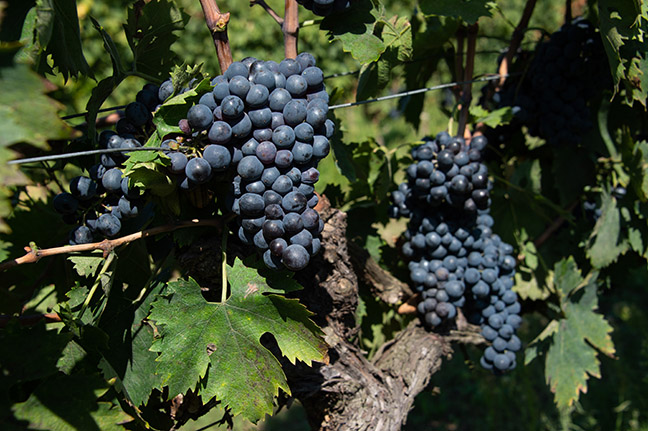
The Grapes and the Timing: Mastering Skin Contact
The secret to the Cerasuolo method lies in a highly specific, carefully monitored window of skin contact. It is a balancing act of time and temperature. Your goal is to conduct a short, intense maceration to extract maximum flavor and that signature cherry color, but you must stop the process before extracting harsh, bitter tannins from the seeds and skins.
After crushing and destemming your grapes into your primary fermentation bucket, immediately dose the must with a conservative amount of sulfur dioxide, around 30–40 ppm. This early addition is crucial to hold off wild spoilage yeast and protect the vulnerable juice from oxidation while it sits exposed. Temperature control at this stage is also paramount. You should aim to keep the bucket relatively cool, ideally between 55–60 °F (13–16 °C) to prevent a spontaneous fermentation from kicking off before you have finished extracting your color.

Instead of leaving the bucket alone to soak passively, you need to work the must. Give the rising cap of skins a gentle punchdown every few hours. Because you are essentially conducting a highly condensed red wine extraction, you need to actively facilitate the transfer of color and phenolics from the skins into the juice.
The time spent on the skins can range anywhere from 6–24 hours, completely dependent on the grape variety and the specific conditions of that year’s harvest. A thick-skinned, heavily pigmented grape like Syrah will surrender its dark color rapidly, sometimes in just a handful of hours, while a lighter Zinfandel or a specific clone of Montepulciano may demand a full day to reach the desired depth. Therefore, you cannot simply set a timer and walk away; you must rely on your eyes and your palate.
Every few hours, scoop out a sample of the juice in a clear glass. Hold it up to the light. You are searching for a vibrant, translucent cherry-red hue, not a pale salmon or an opaque purple. More importantly, taste the developing juice. As it sits on the skins, you should begin to feel a slight textural weight build on your tongue, accompanied by a very mild, pleasant astringency. It should feel robust, but it must not cross the line into green bitterness. The moment you hit that delicate sweet spot where the juice has gained a firm architectural structure but still retains its fresh, fruity integrity, your maceration is over. Move the must immediately to the press to separate the skins and halt the extraction. When pressing, rely on your palate rather than trying to maximize your yield. You want to collect the free-run juice and only the light press fractions. Stop pressing the moment the run-off loses its fresh fruit character and begins to taste harsh or bitter; pushing the press too hard will extract green seed tannins and excess potassium, which will actively destroy the vibrant acidity this wine requires.
Lessons Learned the Hard Way & How to Enjoy It
Once you have separated the juice from the skins and transferred it to a carboy, the process shifts back to white winemaking techniques, but with the added complexity of managing the tannins you just extracted. Selecting the right yeast is critical to balancing this new structure with vibrant, fresh fruit aromatics. Lalvin 71B is an excellent choice for this style, as it produces fruity esters and can partially metabolize malic acid, rounding out the palate beautifully. However, you should strictly avoid a full, inoculated malolactic fermentation (MLF). While the gentle malic reduction from the 71B yeast is beneficial, a complete MLF would strip the wine of the vibrant, refreshing acidity it desperately needs to balance its tannic structure, resulting in a flat, heavy rosé. Alternatively, Lalvin RC212, a strain often used for Pinot Noir, helps stabilize color and build structural complexity, though it demands diligent, staggered nutrient additions to avoid the production of hydrogen sulfide, which would ruin the wine’s bright berry aromatics.
Because a 5-gallon (19-L) carboy lacks the immense thermal mass of a commercial stainless steel tank, fermentation temperatures can spike rapidly. A sudden jump to 75 °F (24 °C) will quickly blow off the delicate cherry aromas you worked so hard to capture. It is crucial to keep the fermentation anchored steadily in the low 60s °F (~16 °C), which can be done by using a swamp cooler (a simple water bath with frozen water bottles) or a dedicated temperature-controlled fermentation chamber.
Scaling this traditional method down to the home cellar comes with a few other unique, hard-learned hurdles. For instance, many home winemakers rely on manual, ratcheting basket presses, which makes it incredibly easy to over-press a small batch of macerated must. You must resist the urge to maximize your volume and instead stop at a gentle yield; squeezing every last drop will inevitably extract harsh seed tannins that a lighter-
bodied wine simply cannot hide.
Additionally, because the grapes are handled much like a red wine during the initial crush and punchdowns, the juice is heavily exposed to oxygen. To mitigate this early exposure, it is recommended to cold-settle the freshly pressed juice for 12–24 hours and rack it off the gross sediment before pitching your yeast; this drops out many of the early oxidized phenolic compounds. Because the wine lacks the dense, heavy tannin load of a true red wine to protect it long-term during aging, this reality still demands meticulous sulfite management post-fermentation. You must be vigilant about minimizing headspace in your aging carboys to prevent that brilliant, hard-won cherry-red color from prematurely oxidizing into a bruised brick-orange.
When the wine is finally bottled and given time to rest, the result is deeply rewarding and completely redefines the rosé experience. A true Cerasuolo-style wine pours a brilliant, translucent ruby. On the nose, it offers vibrant aromas of wild strawberry, pomegranate, dried cherry, and often a touch of savory earthiness or spice. On the palate, it delivers the refreshing, mouth-watering acidity of a crisp white wine, perfectly balanced by a firm, dry, and slightly grippy finish. This unique structure makes it an absolute culinary chameleon. You should serve it slightly chilled to highlight its freshness (but avoid serving too cold, which would mute its complex aromatics). It is the perfect companion for a wide range of robust dishes, effortlessly complementing rich, tomato-based pasta sauces, grilled sausages, roasted poultry, and earthy root vegetables. It proves, once and for all, that a pink wine can absolutely hold the center of the dinner table all year round.
The recipe
To put the Cerasuolo philosophy into practice, we can translate this traditional method into a standard 5-gallon (19-L) batch tailored specifically for the North American home cellar. While Italian winemakers rely heavily on local Montepulciano, you will begin by sourcing 90–100 lbs. (40–45 kg) of fresh, thick-skinned grapes such as Zinfandel, Syrah, or Montepulciano. Alternatively, a standard 5.3-gallon (20-L) pre-crushed juice pail that includes the grape skins is an excellent and highly accessible starting point. If going this route, evaluate the color and texture when opening the pail before proceeding with the extended maceration as it may already be ready for Cerasuolo.
The physical process begins by crushing and destemming the fresh grapes directly into a 10-gallon (38-L), food-grade plastic primary fermentation bucket, taking care to remove as many stems as possible to avoid extracting harsh, green tannins. Because this exposed must is highly vulnerable, you must immediately protect it by stirring in enough potassium metabisulfite to achieve a concentration of 30–40 ppm of sulfur dioxide. At this stage, it is also highly beneficial to stir in a dose of a red wine macerating enzyme — such as ColorPro or Lallzyme EX — following the manufacturer’s specific directions. Unlike standard white wine pectinase, these enzymes are designed specifically to break down skin structure; this accelerates color extraction, allowing you to press sooner and further minimizing the
risk of extracting bitter seed tannins.
Once protected, the must enters its crucial maceration window. The bucket should be covered with a breathable cloth and moved to a cool location, ideally maintaining an ambient temperature between 55–60 °F (13–16 °C). This chill is strictly necessary to prevent a spontaneous wild fermentation from beginning before the color extraction is complete. The must cannot be left alone; every four to six hours, remove the cover and perform a gentle punchdown, pushing the rising cap of grape skins down into the juice. After the first six hours of this cycle, you should begin actively evaluating the liquid. Scoop a small sample into a clear glass to check the hue, looking for a vibrant, translucent cherry-red, and taste it to ensure a mild, pleasant textural grip is developing. Depending on the specific grape variety, this cold soak can take anywhere from six to 24 hours.
The moment you reach that perfect intersection of deep color and gentle structure, the maceration must be halted. The must is transferred immediately to a small basket press and pressed gently, stopping well before you extract the harsh, bitter tannins from the seeds. The resulting pink juice is funneled into a 5-gallon (19-L) glass or PET carboy and allowed to warm slightly to a temperature between 60–65 °F (16–18 °C). At this point, you will rehydrate a 5-gram sachet of a fruit-enhancing wine yeast, such as Lalvin 71B or Lalvin RC212, according to the packet’s instructions, pitch it directly into the carboy, and attach an airlock.
As the yeast begins its work, strict temperature monitoring becomes the primary responsibility. The fermentation should be kept below 65 °F (18 °C) to preserve the delicate, volatile berry aromatics. If the fermentation causes the carboy to heat up rapidly, find a way to cool it, such as a water bath with frozen water bottles. To keep the yeast healthy and prevent the formation of reductive, rotten egg odors, you must supply a high-quality yeast nutrient, such as Fermaid O or Fermaid K, in staggered doses: One addition at the onset of active fermentation, and the second when the sugar is one-third depleted.
When the primary fermentation ceases and a hydrometer reading confirms a specific gravity at or below 0.996 (-1 °Brix), the wine is officially dry. It must be carefully racked off the gross lees and transferred into a clean, sanitized 5-gallon (19-L) carboy. To protect your hard-won color from oxidation, top up the new vessel immediately with a similar wine or add sanitized glass marbles to eliminate headspace, and add a standard maintenance dose of sulfite. The wine is then left to clear in a cool, dark space over the following months, requiring perhaps one additional racking if a thick layer of fine lees develops.
Once perfectly clear and stable, the Cerasuolo is bottled and laid to rest. After two to three months of bottle aging, the new tannic structure will harmonize beautifully with the acidity, ready to be uncorked.
Conclusion
The true magic of the Cerasuolo method does not rely on expensive imported equipment or rare Italian varietals, but on a profound, deliberate alliance between careful technique and the winemaker’s intuition. It is a wine that thrives on absolute contrasts: It extracts the robust, thick skins of red grapes while demanding the delicate temperature control of a white wine, ultimately finding its true purpose at a hearty, year-round dinner table rather than just a sunny summer patio.
Crafting this structured rosé is an act of faith: Locking the rich, cherry-red essence and firm tannic backbone inside a carboy, and trusting the resting period to harmonize its bold, fruit-forward flavors with its vibrant acidity.
When the bottle is finally uncorked, that deep, translucent ruby liquid offers much more than just a refreshing sip. It becomes a liquid celebration of intention and craft. In an era where rosé is increasingly mass-produced to be as pale, uniform, and delicate as possible, a home-crafted Cerasuolo serves as an elegant, delicious reminder that pink wine can possess genuine soul, history, and structure. It simply requires the courage to embrace the skins, and the wisdom to step away from the crowd.
More Ways to Rosé
A pair of home winemakers share the results from trials they conducted in techniques for making rosé. The results offer insight into what works, what doesn’t, and why rosés shouldn’t be judged by their color.