Rkatsiteli
People have been making wine since the early days of civilization. The original wine most likely started as a “happy accident” when some picked grapes were forgotten about in an urn or bowl, left for a week or two, and then some desperate soul tried the “spoiled” lot and realized, “Hey this is pretty tasty and makes me feel great!” Scientists have used genetics and plant tissue traces from ancient artifacts to learn that the earliest winemaking took place in Eastern Europe in what is now Georgia. Nestled between the Caucasus Mountains and the lesser Caucasus ranges, Georgia has fertile farmland and a long legacy of winemaking that continues today. One cannot speak of Georgian wine without mentioning its most prolific variety: Rkatsiteli.
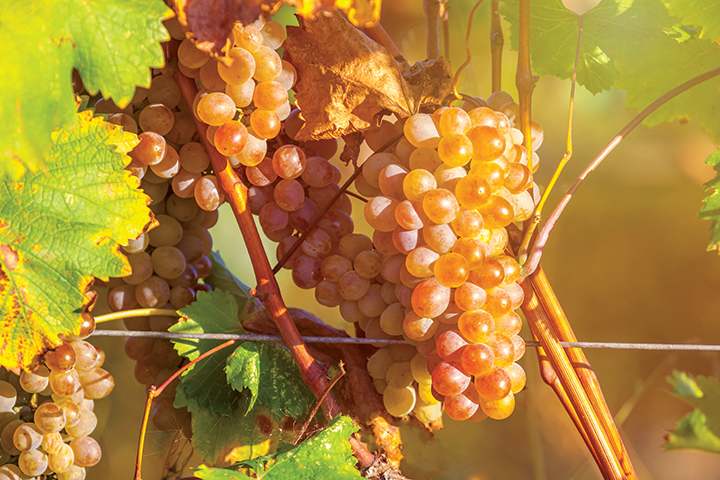
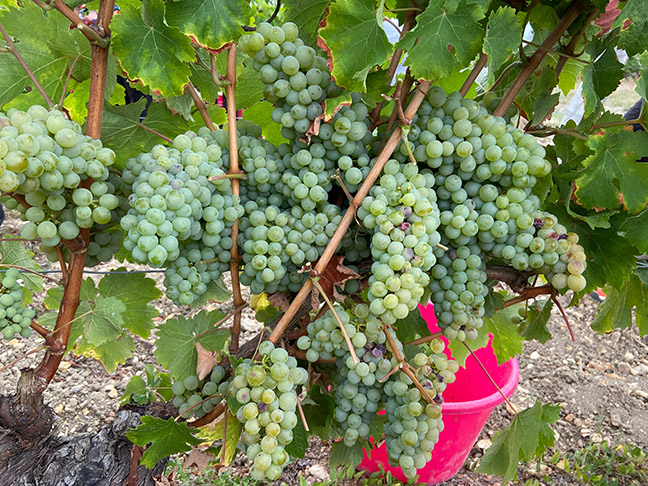
Rkatsiteli (pronounced ruh-kat-si-tell-ee) translates from Georgian to “red horned” or “red stem,” as the white grape variety can get reddish to mauve hues on the wide shoulders of its clusters of golden grapes. It is believed to be one of the oldest grape varieties in the world, with ancient seeds discovered by archaeologists dating back 6,000–8,000 years.
For centuries it has been a widely popular grape, able to withstand the cold winters of the Caucasus region and well into what is now Russia. It was the most widely planted grape in the USSR and contributed 18% of all Soviet wine production, and remains the most widely planted winegrape in Russia. Rkatsiteli became wildly popular as the native grape in the Eastern European areas of what now made up Georgia, Armenia, Bulgaria, Moldova, Romania, Serbia, Macedonia, Ukraine, and Azerbaijan. With modern globalization, it is now successfully grown around the U.S., from New England and New York’s nearby Finger Lakes wine region, south to Virginia and North Carolina, and west to Colorado and California. It is also grown in the mountainous inland areas of China, where it is called Baiyu.
Rkatsiteli has a ubiquitous influence on Georgian and Eastern European historical winemaking. When archaeologists discover ancient sites in this area, they are often unearthing qvevri, a type of clay amphorae without handles that are buried into the ground for temperature regulation while fermenting or aging. Similar to wine tanks, these vessels can widely vary in size, from 20 L (5.3 gallons) to 10,000 L (2,645 gallons), with 800 L (211 gallons) being the most common size. They often have a tall taper with a sloped neck and clay lid to limit surface area air contact.

In the Vineyard
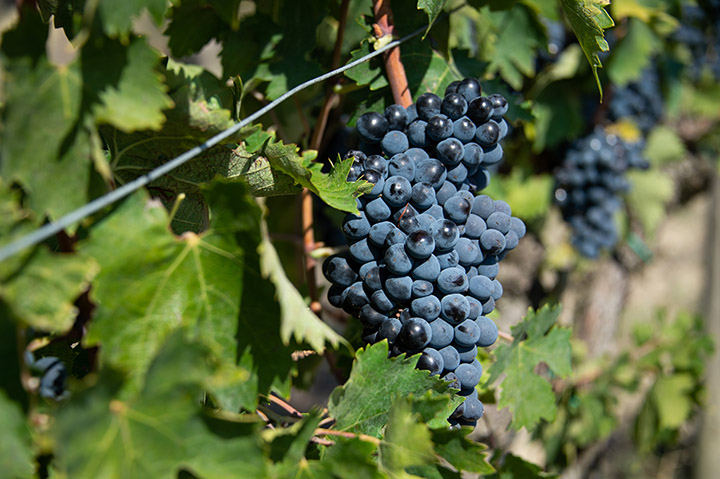
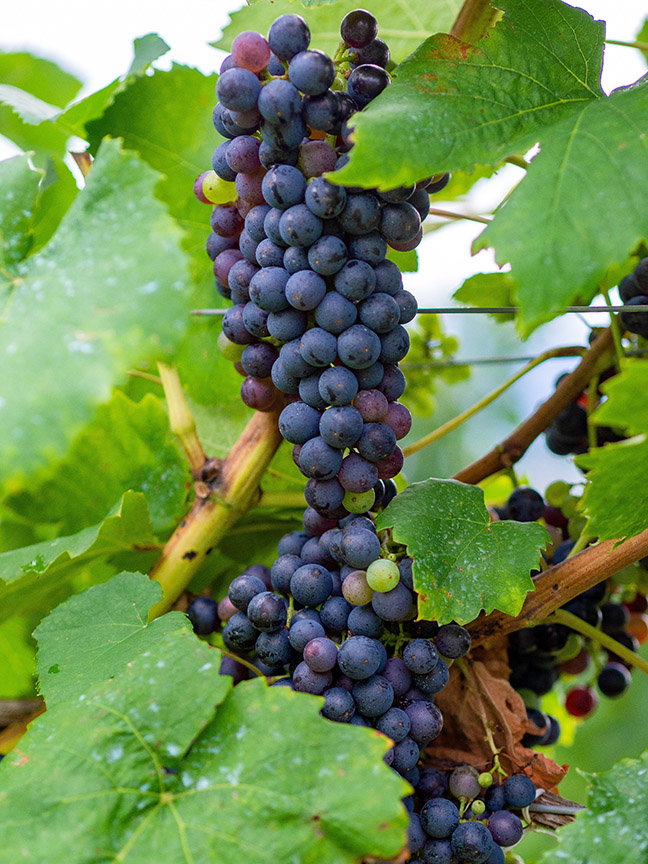
Rkasiteli is a cold-tolerant variety, surviving winters near the Caucasus Mountains and lake-effect snow around the Finger Lakes. While being cold-tolerant, it is also heat- and drought-resistant, maintaining acidity levels even in high temperatures. The vines have a medium to high vigor, with lots of vegetative growth. The leaves are medium-sized, sometimes with 3–5 lobes per leaf, but other times appearing to have no lobes, with leaves taking on more of a rounded shape. Different clones have arrived over the years, accounting for the differences in appearance, often regionally contingent upon the local popular clonal variety. The berry size is medium to large and grapes can be oval to round in shape, with a rich golden to amber hue.
Due to its vigorous canopy growth, Rkatsiteli needs a very supportive trellising system. Common styles used can be the Guyot, pergola, or top wire cordon systems, but it is often trained on the Sylvoz trellis system. In the Sylvoz method, 4–6 wires are used to provide a hearty support framework for the vines to grow upon. The trunk of the vine is trained to grow between 5–6.5 feet (1.5–2 meters) in height and then is bent along the first or second wire and tied there. The trunk will run another few feet (~1 m) along the wire, with canes trained to grow upwards to the top wires. The vertical fruiting canes will get tied to the third wire to help support the vegetative growth throughout the growing season. Having multiple foliage wires in the upper part of the trellis helps to promote air circulation and sun exposure to the grapes.
In the Winery
With such a long history of winemaking, Rkatsiteli has been grown and vinified in a wide variety of styles. In my research, I found so many perspectives and styles that I sought out a grower with firsthand knowledge of the varietal. I was fortunate to speak with Rob Russell, viticulturist and field manager for Westport Rivers Winery in Westport, Massachusetts. Rob has been the field manager for over 30 years and has embraced Rkatsiteli as a labor of love. His start with the variety was unintentional. He procured some new vines for planting in the 1990s when Westport first expanded its fields. After a few years of working with the vines, he noticed that some produced grapes that were very different in color and flavor from those of their surrounding plantings. After some research, he concluded that the new, rogue variety in his vineyard was Rkatsiteli.
Rkatsiteli began within Westport Rivers winemaking portfolio as a blending grape. It contributed nice acidity to their “5 Dogs” sweet style white blend as well as their “Farmer’s Fizz” sparkling wines. Both wines stand out in my memories from my visit to the winery years ago as beautifully made wines here in New England. Rob found the vines to thrive on the Westport Rivers farmland composed of glacial outwash as they matured. The rich sandy loam with lots of gravel provides a rich 2–3 feet (~1 m) of topsoil for the vines. The gentle slope of the plot, along with the gravel, provides excellent drainage for the vines. Due to this drainage, Rob has chosen to use drip irrigation for his vineyards and a VSP (vertical shoot positioning) system for his trellising.
As time passed and the beautiful coastal winery grew, Rob planted more Rkatsitelli due to its consistent yields of 2.5–3 tons of fruit per acre. He now has 3.5 acres of the variety planted. Having some less common varieties on the estate — such as Rkatsiteli and Saperavi — allows Rob and his winemaker, Marco Montez, to experiment and offer unique options to their wine club and general patrons. He finds that the wine club likes to try new and unusual things, solidifying the varietal’s place in the portfolio.

Like its performance in other places around the globe, Rob concurs that the grape is the latest to ripen in the season. “We typically harvest in late November, at around 18–20 °Brix, when the grapes have a strong lemon-lime flavor profile. Our close proximity to the ocean helps to mitigate the threat of frost, allowing us to leave the grapes on the vine longer and try to get the best Brix possible.”
Around the world, Rkatsiteli can be vinified in a myriad of ways and styles. At Westport Rivers Winery, Marco tends to make a dry, fruit-forward style white wine without oak. Other regional vintners, such as the famed Dr. Konstantin Frank Winery in the Finger Lakes region, often choose to use Rkatsiteli in two different styles: A classic, dry, white wine, and a skin-fermented amber wine, like the traditional Georgian style.
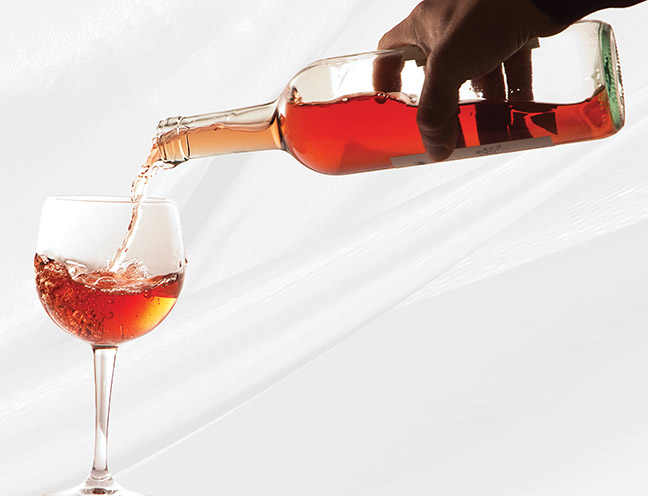
In ancient Georgian winemaking, Rkatsiteli was crushed and fermented in qvevri underground and then left to age on the skins, imparting an amber color to the wine. The bright acidity of the grape helps to strike a balance with the tannins contributed by the skins. Amber/orange wines have seen a recent resurgence in popularity worldwide — a beautiful moment for Rkatsiteli to showcase its heritage and potential.
The high acid content of the grape makes it a terrific choice for sparkling wines. With bright citrus flavors and subtle tree fruits, it can generate a delicious base wine for carbonation. The winemaker can finish the sparkling with a touch of residual sugar in the dosage to help balance the acidity and make the tree fruit notes more pronounced. Excellent yeast strains for a sparkling or dry white wine production would be strains that enhance thiol production and produce fruity aromas such as Alchemy 1, ICV D47, QA 23, or Vin 13. All these yeast strains excel at liberating trapped thiols and esters and creating big, bold aromas.
This same acidity can be an asset in dessert wine production as well. While the variety is slow to ripen, it does have good tensile strength and could be left upon the vine for ice wine production. Given the variety’s cold tolerance, the vines can survive northern temperatures, especially when mitigated by local bodies of water. I can imagine a dessert wine, with rich notes of candied lemon peel, honey, and vanilla crafted from frozen Rkatsitelli and aged with American oak. Oak can be a useful ingredient in the vinification process, potentially smoothing out some of the perception of acidity and creating a fuller mouthfeel.
Malolactic fermentation could also be utilized to metabolize some of the acid, creating a creamier texture and enhancing the tree fruit flavors. Rkatsiteli has been used in winemaking for centuries, and its global spread has led to a wide range of applications, resulting in diverse wine styles made from this ancient variety.
Rkatsiteli Recipe (5 gallons/19 L)
Ingredients
125 lbs. (57 kg) Rkatsiteli grapes or 6 gallons (23 L) Rkatsiteli grape juice
Sanitizing solution of potassium metabisulfite (KMBS)
5 g yeast (Vin 13, D47, QA23, or Alchemy 1)
7.5 g Go-Ferm Sterol Flash
7.5 g Fermaid O
5 g Fermaid K
5 g Opti-White (optional, but helps)
5 g Booster Blanc (optional, but helps)
5 g bentonite
Potassium bicarbonate
Distilled water
Table sugar (if Brix is low)
Potassium sorbate
Zenith Uno or Celstab (optional, but helpful)
Equipment Needed
Crusher/destemmer
Wine press
15-gallon (57-L) fermentation bucket or bin
5-gallon (19-L) carboy
Airlock and bung
Mixing bowl and clean whisk
Auto-siphon and tubing
Stir paddle
Spray bottle
pH meter
Hydrometer
Thermometer (digital preferred)
Bulk KMBS sanitizing solution
Glass marbles (optional)
Step by step
Ensure all your equipment is clean and in proper working order. Make a fresh batch of KMBS sanitizing solution using 1 Tbsp. of KMBS powder and 1 Tbsp. of citric acid mixed into 1 gallon (3.8 L) of clean water. Fill a spray bottle with the solution and spray down your processing equipment, but ensure there is no pooling of sanitizer in bins or press basins.
If using fresh grapes, crush and destem and then press grapes. You may choose to allow for some skin contact time, or ferment entirely on the skins for an amber/orange wine.
Transfer juice into a sanitized fermentation bucket. Add 50 ppm of KMBS to kill off natural yeast. Utilize the WineMaker sulfite calculator to assist in your calculations. If using purchased juice, ask if this has already been done for you to ensure you don’t overdose the juice.
Take measurements of your juice, including volume, Brix, pH, and titratable acidity (TA). Adjust the juice to have a starting Brix of at least 22, a pH of ~3.3, and TA of 8 or 9 g/L. www.wineadds.com has calculators to assist you with Brix and acidity adjustments.
To prepare the yeast, warm up 50 mL of distilled water to 60 °F (16 °C) and add to the mixing bowl. Then add the Go-Ferm Sterol Flash. Stir well with whisk. Then add 5 grams of yeast and stir well. Allow to sit for 15 minutes. Then mix in thoroughly to the juice with a sanitized stir paddle.
Place a lid on the fermentation pail loosely and wait 24 hours to observe yeast activity. Take Brix measurements twice daily via a hydrometer to ensure the start of fermentation. Take temperature measurements daily. Try to keep the fermentation temperatures as close to 60 °F (16 °C) as possible to preserve the aromatic compounds. To do this, you may need to put the fermentation bin in a cool area of your basement, outdoor porch, or refrigerator, or in a larger bin (garbage pail) filled with ice water.
After a day or two of fermentation, check the Brix and if it has dropped by one or two degrees, it will be time to add nutrients. Add 100 mL of distilled water to a mixing bowl and add 7.5 g Fermaid O and the Opti-White and Booster Blanc, if you are using them. Mix well to create a slurry and then stir into the fermenting juice.
Continue to monitor Brix and temperatures daily (twice daily is preferred). When the Brix has declined to 15–11 °Brix, add the Fermaid K in the same way the Fermaid O was added.
Continue to ferment as close to 60 °F (16 °C) as possible until the wine has fermented to dryness (about -1 to -2 °Brix). This should take between 7–21 days.
Rack off the gross lees into a carboy by using the sanitized auto-siphon and tubing. Add 50 ppm of KMBS and stir well into the wine. Affix the bung and airlock and allow to sit for up to a week in a cool environment.
After 5–7 days, rack off the lees into a clean, sanitized carboy. Affix bung and airlock and allow to sit for a month. If you have an air gap after racking, either top off with a complementary wine such as Pinot Grigio or Grüner Veltliner, or add sanitized glass marbles to displace the headspace.
When the wine is one month old, rack again into a sanitized carboy and add another 50 ppm of KMBS. At this point the wine should give off minimal lees and should be hazy but not opaque. Consider fining with bentonite to help clarify it and help with heat stabilization. Mix bentonite according to its directions (every formulation may have its own unique preparation). Add to wine and allow to settle over 2–3 weeks. Once bentonite has settled, rack the wine off the lees into a clean and sanitized carboy.
Allow the wine to sit and age, maintaining a free SO2 level appropriate for the pH. WineMaker’s sulfite calculator will help you determine the proper dosage given the parameters of pH and volume. You may consider cold stabilizing or adding a cold stabilizing product such as Zenith Uno or Celstab. These products may only be used if the wine is filtered down to 0.5 micron as turbidity will interfere with their effectiveness. If filtration is not available, try to cold stabilize via refrigeration or exposure to cold air.
Once cold stability has been achieved via physical or chemical means, taste the wine and see if you desire some sweetness to balance. If you choose to backsweeten, raise the free SO2 to 50 ppm and add 1 g/gallon (1 g/3.8 L) of potassium sorbate. Stir well, then add the amount of sweetener needed to achieve the desired result (after conducting bench trials to determine this).
Bottle once you are content with the flavor and stability of the wine. Always add a small amount of sulfite before bottling — 10 ppm beyond the sulfite calculator’s recommended value — to account for oxygen uptake during the bottling process.
Further Reading . . .
• For millennia, Georgian winemakers have been macerating white grapes like Rkatsiteli, fermenting and aging in buried terracotta amphorae — traditional vessels known in Georgia as kvevri. Learn more about making these amber or orange wines that have a complexity and ability to age beyond most wines made from white grapes.
• Learn more about winemaking in Georgia.