Taming Montepulciano
The fall grape harvest in North America is a thrilling, chaotic time for the home winemaker. As trucks roll in from California’s Central Valley and Lodi, or as pails of imported Italian must hit the shelves of local homebrew shops, one of the more challenging varieties home winemakers have a chance to work with in either format is Montepulciano.
When made well, Montepulciano yields a wine of profound depth. It is inky black-purple in the glass, bursting with aromas of dark cherry, boysenberry, baking spices, and a hint of earth, all wrapped up in a rich, mouth-coating texture. It is a crowd-pleaser, a pizza-pairing wine, and a steak-pairing wine all rolled into one.
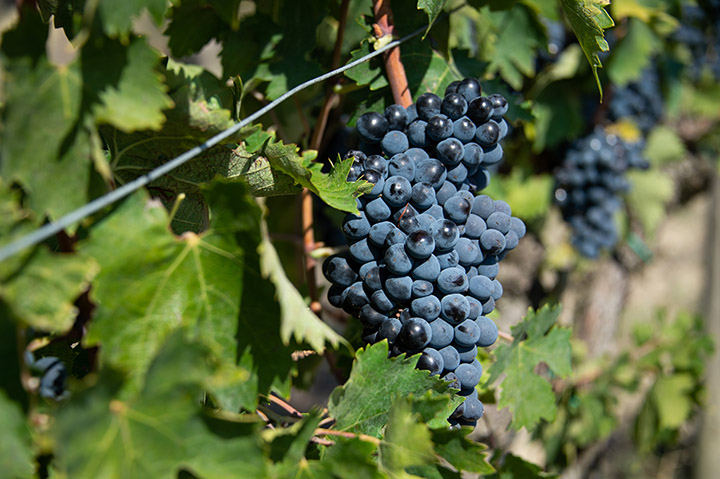
But there is a catch. Among home winemakers, Montepulciano has a dark reputation. It is widely considered one of the most stubborn, frustrating “beasts” to tame in the home cellar. Without meticulous care, a beautiful batch of Montepulciano can quickly turn into an astringent, tannic bomb. Worse yet, it is notoriously prone to reduction, throwing off stomach-churning aromas of hydrogen sulfide (H2S), the dreaded “rotten egg” smell.
In the Italian region of Abruzzo, where the grape and I are both from, we have spent centuries learning to coax elegance out of this rugged varietal. The good news is that the modern home winemaker, equipped with the right supplies and a solid understanding of the grape’s chemistry, can easily overcome these hurdles.

The Grape and Its Homeland
Before we can manage Montepulciano in the carboy or barrel, we must understand where it comes from.
First, let’s clear up an ubiquitous point of confusion: Montepulciano is a grape, not just a place. Vino Nobile di Montepulciano is a famous wine from the town of Montepulciano in Tuscany, but it is made primarily from Sangiovese grapes. The grape Montepulciano, on the other hand, is indigenous to central and southern Italy, finding its ultimate expression in the region of Abruzzo, where it produces the famous DOC/DOCG wine Montepulciano d’Abruzzo.
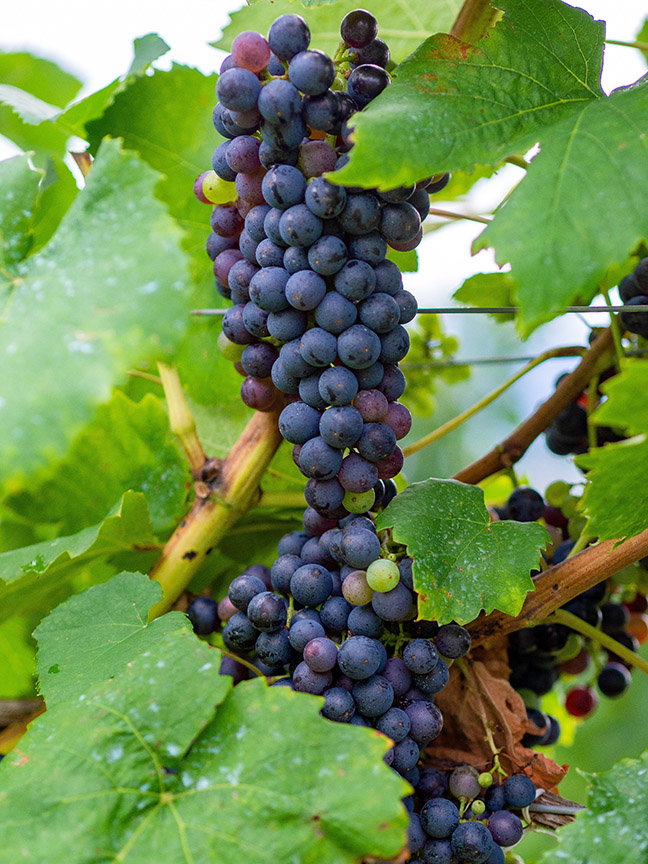
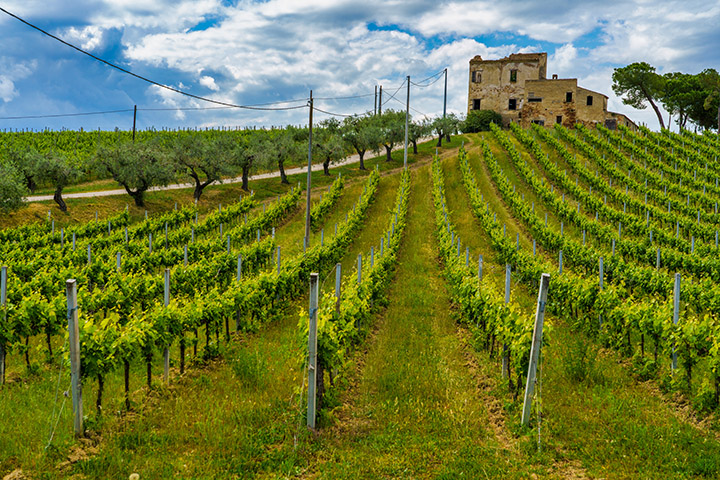
In the vineyard, Montepulciano is vigorous and late-ripening. In Abruzzo, it is traditionally grown on a pergola abruzzese (a high, tent-like trellis system) to manage its vigor and protect the clusters from the intense Mediterranean sun. Modern, high-density vineyards often use Guyot or cordon training, but the goal remains the same: Balancing the canopy to ensure even ripening.
If you are growing Montepulciano in North America, or buying grapes sourced from California, you must account for its late-ripening nature. It is often one of the last grapes brought in during the harvest. The berries are medium-sized with thick skins. These thick skins are the source of the wine’s intense, opaque color and its tannin potential. They are also rich in anthocyanins, making the wine highly resistant to oxidation, but highly susceptible to astringency if over-extracted.
Furthermore, the vine’s physiology dictates how it absorbs nutrients from the soil. Even in well-fertilized vineyards, Montepulciano grapes often arrive at the crush pad with low levels of natural nitrogen, setting the stage for the fermentation issues we will discuss later.

Sourcing and Pre-Fermentation Prep
North American home winemakers are likely to have options when sourcing Montepulciano: Fresh grapes (often from California), refrigerated pails of juice/must, or even wine kits from Italian grapes.
If you are buying fresh grapes, be prepared for high Brix. Because it requires a long growing season to resolve its tannins, California-grown Montepulciano is often left to hang until it reaches 25–27 °Brix. This means you must be prepared to add a slight water addition (acidulated water) to bring the potential alcohol down to a manageable 13.5–14.5% ABV. Left unchecked, a 27 °Brix must will yield an alcohol level north of 15%, which will only exacerbate the harshness of the tannins and create a “hot” finish.
Because of those thick skins, crush your grapes thoroughly, but be gentle. You want to break the skins to release the juice, but you must avoid shattering the seeds. Montepulciano seeds are notoriously bitter; cracking them during crush will release green, harsh seed tannins that are nearly impossible to fine out later.
A cold soak (holding the crushed must at 40–50 °F/4–10 °C for up to four days before pitching yeast) is highly recommended for this variety, but only if your chemistry is sound. Because California grapes picked at 27 °Brix often have a dangerously high pH (3.8+), you must test and adjust your pH down to a safe range (around 3.45–3.55) using tartaric acid before beginning the cold soak to prevent severe bacterial spoilage. In Abruzzo, many winemakers utilize cold maceration to extract color and fruit-forward aromatics (anthocyanins are water-soluble) before the presence of alcohol begins extracting the harsher, alcohol-soluble tannins.
The Beast in the Cellar: Preventing Reduction
Now we arrive at Montepulciano’s most infamous challenge, and the one that has ruined many batches of homemade and commercial wine over the years: Its propensity to produce hydrogen sulfide (H2S).
When your fermentation smells like rotten eggs, struck matches, or burnt rubber, you are experiencing reduction. This occurs when the yeast is stressed, usually due to a lack of nutrients. Yeast needs nitrogen to build cell walls and reproduce. When deprived of nitrogen, yeast will begin stripping sulfur from amino acids in the must, releasing H2S as a byproduct.
Every grape has a different nitrogen requirement, measured as YAN (Yeast Assimilable Nitrogen). Montepulciano is a notorious nitrogen hog. Even if the grapes were grown in nitrogen-rich soil, the must frequently presents with a YAN deficit. If you treat Montepulciano like a standard Merlot or Cabernet Sauvignon and feed it a generic nutrient regimen, it will stink.
To keep Montepulciano happy, you must calculate your YAN and feed the yeast properly. While professional labs can test your starting YAN, home winemakers should assume a starting YAN of around 100–150 ppm for Montepulciano, and target a total YAN of 250–300 ppm (depending on starting Brix).
You can easily manage this with products such as Go-Ferm, Fermaid O, Fermaid K, and diammonium phos-
phate (DAP).
A foolproof protocol to prevent reduction:
1. Rehydration (The Insurance Policy)
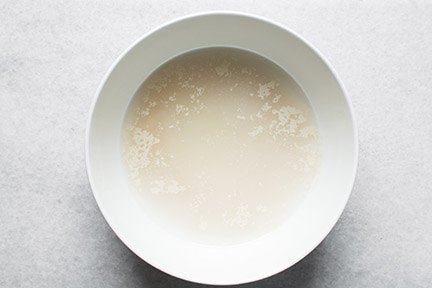
Never direct-pitch yeast into a Montepulciano must. Rehydrate your yeast using Go-Ferm Protect. This specialized nutrient acts as a multivitamin, reinforcing the yeast’s cell membranes with sterols and equipping them to handle the high-alcohol and high-tannin environment. Use 1.25 grams of Go-Ferm for every 1 gram of yeast, dissolved in warm water before adding the yeast.
2. The First Feeding (End of Lag Phase)
Wait until the yeast has acclimatized and fermentation has visibly started (usually a drop of 2–3 °Brix from your starting gravity). At this point, the yeast population is multiplying rapidly. Provide a dose of Fermaid O (an organic nitrogen source rich with amino acids). Because it is organic, the yeast consumes it slowly and steadily, preventing a temperature spike. A standard dose is 1.5 grams per gallon (3.8 L).
3. The Second Feeding (1⁄3 Sugar Depletion)
This is the critical juncture. When one-third of the sugars have been consumed (e.g., if you started at 24 °Brix, this is when you hit 16 °Brix), the yeast is at its maximum population and the alcohol level is rising, creating a stressful environment. At this stage, provide a complex nutrient like Fermaid K, alongside a small dose of DAP if your starting Brix was high (over 24). Fermaid K provides vitamins, minerals, and both organic and inorganic nitrogen. A standard addition is 1 gram per gallon (3.8 L) of Fermaid K.
A Note on DAP: DAP is like fast food for yeast — pure, inorganic nitrogen. It gives the yeast an instant boost but leaves them hungry later. Use it sparingly and never add DAP after the halfway point of fermentation (around 12 °Brix), as the yeast can no longer assimilate it, leaving it behind to feed spoilage organisms later.
What if it still stinks? Even with perfect YAN management, Montepulciano might throw a slight sulfur aroma during active fermentation. If you smell H2S, act immediately. Do not wait for it to blow off. Introduce oxygen. Perform a splash racking (racking the fermenting wine into a clean vessel, allowing it to splash against the sides to absorb oxygen) or aerate the must during your punchdowns. Oxygen is the enemy of reduction and will usually scrub the early H2S aromas from the wine.
Yeast Selection for Structure and Health
Because Montepulciano is so prone to reduction and has such tannin potential, your choice of yeast is not just about flavor; it is a vital tool for structural management. You need a robust yeast that is known for low H2S production and high polysaccharide (glycerol and mouthfeel) production to coat those tannins.
Here are some great commercially available strains for home winemakers crafting Montepulciano:
Lalvin BM45
This is the undisputed king of Italian red varietals. Originally isolated in Montalcino, BM45 is famous for producing high levels of polysaccharides, which give the wine a round, jammy mouthfeel that perfectly softens Montepulciano’s harsh edges. It enhances notes of plum, cherry, and earthy spices.
Warning: BM45 has a very high nutrient requirement and is highly prone to producing H2S if starved. If you use it, you must follow the strict YAN protocol outlined earlier.
Lalvin D254
Isolated from a Rhône Valley Syrah, this yeast is a fantastic alternative. It is known for developing sweet, ripe fruit flavors (blackberry and plum) and adding a mild spice note. Like BM45, it contributes significantly to volume and mid-palate roundness, helping to mask astringency. It has a medium-high nutrient requirement.
Lalvin D80
If you want to accentuate the deep, brooding, tannic nature of Montepulciano but want to ensure those tannins are soft and velvety, D80 is an excellent choice. It brings out black pepper, dark chocolate, and licorice notes in the resulting wine.
Renaissance / Avante Strains
In recent years, yeast strains have been bred (not genetically modified, but selectively bred) to be completely incapable of producing H2S. If you have been traumatized by stinky Montepulciano in the past, seeking out an H2S-preventing strain like those from Renaissance Biosciences (often repackaged by retailers for home winemakers) can provide total peace of mind.
Taming the Tannins: Maceration and Extraction
If you have navigated the nutrient demands and avoided reduction, congratulations! You have cleared the first major hurdle. The second hurdle with Montepulciano is managing the grape’s formidable structure.
In Abruzzo, we say Montepulciano is a wine you have to “chew.” It is inherently tannic. However, there is a difference between ripe, velvety, structured tannins and harsh, green, astringent tannins that dry out your mouth like a used teabag.
The secret to taming Montepulciano lies in how you handle the cap (the layer of grape skins that floats to the top during fermentation).
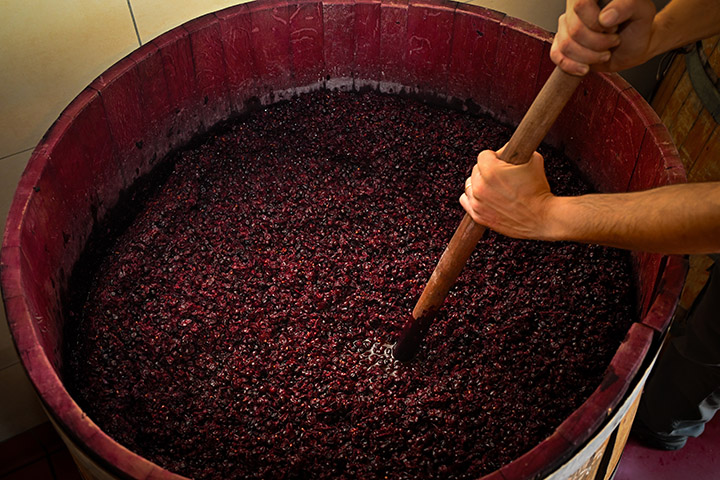
Many home winemakers attack their red wine caps with a potato masher or a heavy punch-down tool, crushing the skins into the juice two or three times a day. For Montepulciano, this is a mistake. Aggressive mechanical action shreds the skins and grinds the seeds, over-extracting bitter phenolics. Instead, practice gentle cap management. Use a tool to simply submerge the cap, pushing the skins gently below the surface of the liquid to keep them wet and prevent bacterial spoilage.
Temperature control is just as critical as gentle punchdowns. Because high heat combined with rising alcohol acts like a solvent, keep your active fermentation temperature moderate (around 75–80 °F/24–26 °C). Do not let it spike into the 90s (32+ °C), which will extract the harshest seed and skin tannins.
To soften Montepulciano, nothing works better than the French technique of delestage, or “rack-and-return.” This is a zero-cost, highly effective method for improving mouthfeel, stabilizing color, and introducing beneficial oxygen.
Here is how to perform a delestage on your home batch, ideally performed once around the one-third sugar depletion mark, and perhaps again at the two-thirds mark:
1. Drain all the liquid juice out of your fermentation vessel into a separate, clean bucket.
2. Leave the cap of skins resting at the bottom of the original fermenter for 1 to 2 hours. As the cap sits, it compresses under its own weight, gently releasing high-quality, soft tannins and concentrated color without the harshness of mechanical pressing.
3. Take the juice you racked off and pour it back over the top of the compressed cap.
This splashing action saturates the must with oxygen, which is beneficial for Montepulciano. Oxygen helps polymerize (bind together) the short, harsh tannin molecules into longer, softer tannin chains, resulting in a smoother, rounder mouthfeel. It also immediately blows off any nascent H2S gas.
When fermentation is complete and it is time to press, proceed with caution. Montepulciano gives up its color and good tannins easily. When you press the skins, keep the “free run” wine (the wine that flows naturally before pressure is applied) and the “light press” wine in your main aging vessel.
As you increase the pressure on your basket press or bladder press, the wine that comes out will become increasingly harsh, bitter, and astringent. Keep this “hard press” fraction in a separate jug. Taste it after a few months; if it is too bitter, do not blend it back into your main batch. It is better to have 5 gallons (19 L) of spectacular wine than 6 gallons (23 L) of harsh wine.
If you want an extra layer of insurance against harsh tannins, consider using inactive yeast derivatives like Opti-Red or Noblesse. Added during fermentation, these products release specific polysaccharides that bind with the grape’s harsh tannins, essentially “coating” them early in the process and resulting in a much silkier final wine.
Post-Fermentation and Aging
Once primary fermentation is complete, Montepulciano must undergo malolactic fermentation (MLF). This bacterial fermentation converts sharp, green apple-like malic acid into softer, creamier lactic acid. Because Montepulciano can sometimes carry a sharp acidity, especially in cooler vintages, MLF is necessary for rounding out the palate.
Co-inoculation (adding ML bacteria 24 hours after the yeast) is a great strategy for Montepulciano, as the bacteria can establish themselves before the alcohol levels get too high. However, this comes with a major warning: If you choose to co-inoculate, you must maintain a healthy, steady primary fermentation. If the malolactic bacteria finish converting the malic acid before the yeast finishes eating the sugar, the bacteria will start consuming the sugar next, which produces volatile acidity (vinegar).
In Abruzzo, traditionalists often age Montepulciano in large, neutral Slavonian oak casks (botti) or even stainless steel, fiberglass, or concrete. The goal is to allow the spicy, earthy nature of the grape to shine without masking it behind vanilla and toast from new oak.
However, modern expressions of Montepulciano d’Abruzzo take beautifully to French and American oak. For the home winemaker using carboys, aging with medium-toast French oak cubes or staves for 3 to 6 months can work wonders. The slow ingress of oxygen provided by barrel aging (or simulated by oak alternatives and micro-oxygenation techniques) is the final step in resolving Montepulciano’s tannins.
Allowing the wine to age on its fine lees for a few months post-MLF, with occasional gentle stirring (bâtonnage), will release yeast mannoproteins that further integrate the tannins and build that luxurious, full-bodied mid-palate the grape is famous for. Just be sure to monitor for any reductive odors while resting on the lees. If reductive odors show themselves, rack off of the lees immediately.
Conclusion
Taming Montepulciano requires patience, vigilance, and a respect for its chemistry. It is not a grape you can simply crush, pitch yeast into, and ignore. It demands precise YAN calculations to prevent it from lashing out with reduction, and it requires gentle extraction and oxygen exposure to soften its tannic grip.
But when you employ these techniques (careful nutrient management, smart yeast selection, and gentle delestage) the beast is transformed, becoming a wine of breathtaking harmony, deep color, and profound complexity.
Further Reading . . .
• Managing YAN (Yeast Assimilable Nitrogen) is a critical part of making a great Montepulciano. Learn more about what YAN is, why it’s critical, and how to manage it.
• Learn about yeast strains that serve more purposes than simply completing fermentation — including those bred specifically to eliminate the risk of hydrogen sulfide formation.