Balancing Must
Harvest is an exciting time for winemakers because the possibilities are endless. I see wine as a balance of art and science, as well as a reflection of that year’s terroir. In the tasting room, I often compared winemaking to building a house: Beginning with raw materials and carefully shaping them into a finished structure. It is also like an artist approaching a blank canvas and creating a work of art. With wine, everything begins with grapes; after considerable labor, time, patience, and care, the result is captured in the bottle for all to enjoy.
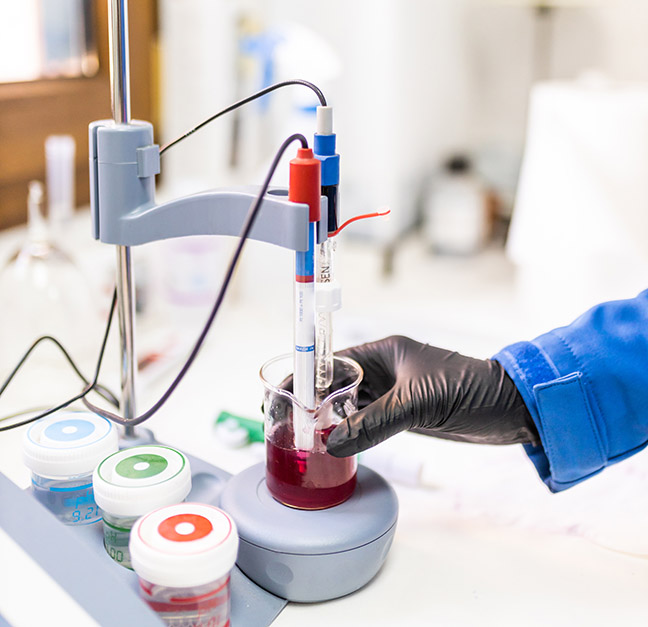
No matter what challenges the previous harvest brought — underripe or overripe fruit, grapes arriving early, stalled yeast or malolactic fermentation, sulfide production, transportation delays, or other climate issues — each new season gives us the chance to begin again. Over time, the memories of long days, midnight punchdowns, and sore backs fade, and we find ourselves excited once more to apply what we have learned and start with a new batch. At that moment, harvest feels full of possibility because it is, above all, a labor of love.
In my previous “Techniques” column, “Evaluating Ripeness,” I reviewed the key factors in grape ripening and how to assess them. This column builds on that topic. Once you decide to pick, or once grapes arrive for winemaking, the next question is whether the juice or must needs adjustment before fermentation. Evaluating the fruit at arrival is essential because it is your starting material. Conditions may have changed since the last berry sample, and sometimes you may have no information until the grapes reach your door. For that reason, always test the juice or must after processing to determine its current stats and make any adjustments needed to achieve the style of wine that you want to produce.
When making high-quality wine, the time between picking, processing, and inoculation should be kept as short as possible. The longer the fruit remains in the pre-fermentation stage, the more opportunity spoilage microbes have to multiply and influence the wine, potentially causing faults. Extended delays can also increase dissolved oxygen, increasing populations of acetic acid bacteria that may create problems later in the process as they can enter a viable-but-not-culturable state during fermentation. This means they will forever be in the wine, waiting for any oxygen that can bring them out of hibernation and wreak havoc on the wine.

Over the years, I have learned that making juice or must adjustments early gives winemakers greater control over the wine’s development and final post-fermentation quality. Two key factors — starting Brix and pH — can strongly influence the finished wine. Larger corrections are generally best made before fermentation, when they can be more easily integrated with less impact on the final product. Additions made after fermentation is complete can affect flavor, stability, and overall structure, so bench trials are essential for correcting a problem without creating new ones. Before harvest, make sure you have the materials needed for likely adjustments: Tartaric acid for high pH, potassium bicarbonate for very low pH, non-chlorinated water to reduce high Brix, and sugar to increase a low Brix.
The WineMaker Guide to Home Winemaking is a useful reference for juice adjustments that fall beyond the scope of this article. Keep in mind that adjustment calculations should be based on liquid volume, not total must volume, which includes skins and seeds. I learned this the hard way after several weeks of calculating additions for white juice; when my first red must, a Merlot, arrived, I over-acidulated it with tartaric acid while trying to lower the pH because I used the must volume vs. liquid volume. If you have not tracked the percentage of liquid recovered at pressing for each grape variety using your specific equipment, an 80% recovery estimate is a practical starting point.
Why We Adjust
The Brix level of your juice directly influences the wine’s final alcohol content. When alcohol is too high, it can affect mouthfeel and overall balance. Excess alcohol may make the wine taste hot, create a burning finish, and overwhelm the fruit, body, and enjoyment of the wine. Unless your goal is simply to maximize alcohol, it should support the wine rather than dominate it. High alcohol also increases the risk of a stuck fermentation. Above about 15% alcohol, the environment becomes increasingly toxic to most yeast strains, which may die before all the sugar is converted. This can leave residual sugar in the wine and create the risk of refermentation in the bottle.
If Brix is too low, the finished wine may not achieve enough alcohol for microbial stability. This is less concerning if you can sterile-filter and bottle under controlled conditions, but stability is especially important for home winemakers. A practical minimum target is 10% alcohol by volume. Because alcohol also contributes to wine structure, the final level should be high enough to remain balanced with the wine’s other components.
Fermenting juice or must with a high pH can affect color stability and flavor development while increasing the risk of spoilage before and after fermentation. Because sulfur dioxide effectiveness is tied to pH, higher-pH wines require more sulfur dioxide to maintain the desired molecular level. This can be difficult to manage, as excessive additions may dilute the wine, become less effective, and create sensory problems. Typically, with a high pH, the TA will correspondingly be lower than desired, so a tartaric acid addition will help increase the acidity as well.

High acidity can taste sour and feel harsh on the palate, but pH has broader effects on fermentation, including flavor development, color stability, microbial risk, and sulfur dioxide effectiveness. For that reason, more emphasis is placed on the juice or must pH before fermentation. If acidity needs to be reduced, there will be additional opportunities to adjust it later in the winemaking process.
When pH is too low, it can inhibit both yeast fermentation and malolactic fermentation. Lactic acid bacteria are more sensitive to low pH than yeast, but once pH falls below 3.0, both can struggle in the increasingly harsh environment, raising the risk of slow or stuck fermentation.
Depending on the cultivar, warm-climate grapes often arrive with higher Brix and pH, while cool-climate grapes may ripen more slowly and show lower Brix and pH. These patterns are most common in European grape varieties and may be less consistent in hybrids or interspecific cultivars, as I have learned when working with them. Some newer cultivars can develop both high Brix and high pH, depending on the climate in which they are grown. Because these cultivars are still being evaluated across different growing regions, this article cannot address every situation you may encounter. In these cases, lab results showing titratable acidity along with individual tartaric and malic acid levels can be especially helpful.
Brix Adjustments
Let’s start our adjustments by looking at a Brix or soluble sugar level as measured on a refractometer or with a hydrometer. Unless you are picking solely by Brix (which is not recommended), your grapes may not arrive within your ideal range. How you adjust the juice or must depends on whether you need to raise or lower the Brix. For low-Brix grapes, you can add sugar through chaptalization. For high-Brix grapes, you can lower your concentration by adding water, a process known as dilution or hydration.
To estimate potential alcohol from the initial Brix, multiply the starting Brix by a conversion factor, typically between 0.58–0.62. The best factor to use depends on variables such as yeast efficiency, fermentation temperature, yeast strain, fermentation vessel, and whether the fruit is in a cool or warm climate. If you do not have historical data comparing pre-fermentation Brix to post-fermentation alcohol, start with a midrange factor of 0.60. In my high-desert climate, my data shows that using 0.60–0.62 as my conversion factor is the best estimate. Using the higher conversion factor was a conscious step to stay below my desired alcohol percentage.
If your juice or must arrives with low Brix and the estimated alcohol level is below 10%, you can raise the starting Brix with a sugar addition. Use this guideline: 10 grams of white table sugar per liter will increase Brix by 1 degree.
When you have a high Brix, I have used the same percentage multiplier for the past 30 years, and it has worked well at both commercial and small-scale levels. For each 1 °Brix reduction, add chlorine-free water equal to 4.7% of the liquid volume. Stir as thoroughly as possible, then retest. If the fruit contains many raisins, some sugar may continue to dissolve, so retest again after 24 hours. If additional water is needed, recalculate based on the new volume and add accordingly. Because water additions change both the liquid and total must volumes, record the updated volumes before making further calculations or additions. Hydrating juice or must dilutes Brix and titratable acidity, while pH remains unchanged.
Hydration can be especially useful for warm-climate cultivars such as Marquette, where fruit may arrive with high Brix, high pH, and high TA (titratable acidity). Although this is not an ideal starting point, adding water lowers both Brix and TA, creating more room to address the pH. When deciding pick timing, consider both your target numbers and the amount of water that may be needed to reduce Brix. In my experience, once grapes exceed 25 °Brix, further increases often reflect dehydration rather than continued berry ripening. In that case, adding water helps replace what the fruit has lost.
pH Adjustments
For high-pH juice or must, tartaric acid is the preferred way to lower pH. Although grapes naturally contain tartaric, malic, and citric acids, malic and citric acids are not recommended before fermentation because they may contribute to acetic acid production and interfere with malolactic chromatography results. Acid additions are easier to calculate in juice than in red must because no skins and seeds are present, making a must volume hard to predict, but they should still be calculated based on liquid volume. As a general guideline, 1 g/L, or 0.13 ounce per gallon, of tartaric acid lowers pH by about 0.1 unit. Lab trials and titration can help refine the addition for a specific target, though they require time and equipment you may not have.
Keep in mind that pH readings can change between processing and testing 24 hours later as potassium leaches from the fruit into the juice and raises the pH. Because our grapes tend to have high potassium levels, we allow the must time to leach potassium so we can better assess the true starting pH. This process may happen more quickly if you use enzymes or macerate the skin into smaller pieces. Timing still matters: The sooner you add acid, retest, and make any needed follow-up additions, the better your chances of reaching the target pH. In my experience, making one larger tartaric acid addition to chilled juice or must can also encourage tartrate crystal formation as tartrates bind with potassium, resulting in a greater pH reduction.
For low-pH juice or must, potassium bicarbonate can be used much like tartaric acid for pH adjustment, but additions should generally stay below 2 g/L to avoid flavor and bitterness issues. Because low pH is often paired with high titratable acidity, sometimes in double digits, other deacidification methods may be worth considering to raise pH while better controlling overall acidity.
Given the time, labor, and expense involved in making wine, I recommend making juice adjustments before fermentation to improve final quality. You have only one chance to shape your starting ingredient — the grapes. After fermentation, only minor corrections can be made before the wine risks falling out of balance. Keep in mind that pH will rise during both alcoholic and malolactic fermentation, often by 0.2–0.4 in my experience, so adjust with that increase in mind. Addressing pH before fermentation helps preserve the best qualities of the grapes while improving color and flavor. Winemaking is a labor of love, and the time you invest early will help set you up for success.
Further Reading
A Virginia winery did a study on the impact of adding different amounts and types of sugar to their low-Brix must. The results may surprise you!