Managing High-Protein Hybrids
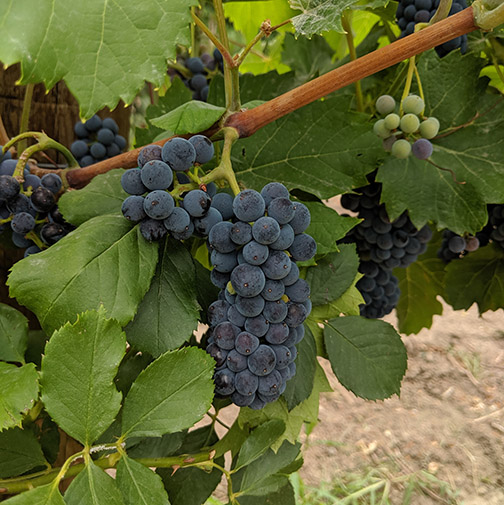
Hybrid grape varieties have given viticultural opportunities to a large population of the world who do not have the proper climate to grow traditional vinifera grapes. With the proliferation of hybrid grapes and popularity surging amongst local winery tasting rooms, a criticism often heard regarding red hybrid grape varieties is that they create a wine with a low perception of tannins and thin mouthfeel. While many producers just chalk it up to hybrid grapes developing lower concentrations of tannin, they are overlooking another important factor that is affecting the tannin content of their wines: Protein.
Proteins play an important role in the effects of fermentation upon both red and white varieties. Vintners have also been incorporating bentonite as a means of clarification for decades in their white winemaking. While bentonite helps to clarify the wine, more importantly related to today’s subject, it is negatively charged and will bind with proteins within the wine that could later cause an unattractive haze.
The Role of Proteins
I know, in today’s diet-savvy culture, all we hear is “eat more protein.” It may never occur to wine connoisseurs that proteins play a pivotal role in the precipitation of tannins within the wine chemistry matrix. Protein plays an important part in how we taste wines. Saliva is a protein-containing, positively charged fluid that will bind with tannins, which are negatively charged. On the consumer’s palate, protein-rich saliva reacts with the wine being consumed by binding with tannins in red wine. Once the wine is swallowed, both the wine and the salivary proteins vacate the palate, giving the “drying” or astringent sensation. The classic pairing of red meat and red wine is also enhanced by this reaction. The red wine tannins bind with residual proteins from the meat and help cleanse the palate of the unctuousness. Even in the brief contact time of casual eating and drinking, the protein/tannin reaction can easily be observed.
Proteins begin their interaction with tannins in wine long before the wine ever hits the drinkers’ lips. Proteins are found within the pulp and skin of a grape and make up approximately 0.05% of the grape’s weight within vinifera species. Hybrid grapes, both red and white, contain up to five times the amount of protein as vinifera grapes.

Grapes form protein as part of their natural defense system against mildews and other pathogens. Proteins help with plant energy storage, metabolism, and act as a natural defense system. When pathogens strike the vines, they release more protein to help protect the fruit. Pathogens can range from physical wounds on the plant or berries to chemical elicitors to abiotic stressors. Infections do not uniformly affect protein development. Research has shown that Botrytis fungi secrete proteinases that will degrade some grape proteins, lowering the overall content. Other plant fungal diseases, such as downy mildew, will increase overall protein content via their biological stresses upon the vine.
These increased protein concentrations in hybrid grapes greatly affect the mouthfeel of the wine. Protein levels increase during the ripening process; however, the variety of proteins reduces to two main groups. Chitinase and Thaumin-like proteins (TLPs) are the two primary haze-forming and tannin-binding proteins within a grape. Pathogenic-related protein levels are increased in hybrid varieties due to their partial native variety genetic background, with the native varieties’ higher resistance to seasonal, local pathogens. This protection is part of the reason the vines are successful in many climates, but also why the perceived tannin content of the wine is low.
Tannins bind with the proteins during fermentation and fall out of suspension in precipitate. For white wines, this is not an issue, as strong tannin content is a less desirable mouthfeel characteristic. Proteins can be an issue later in the winemaking process as they can spontaneously form a visual haze and eventually precipitate within the bottle. Enologists still cannot pinpoint the causal agent of the protein haze, aside from knowing that protein exists within the wine compound matrix and should be removed. Bentonite is a common fining agent to help with the removal of proteins post-fermentation. Bentonite (negatively charged) absorbs protein (positively charged) via cationic exchange.
Removing Proteins — Pre-fermentation
Applications of bentonite tend to generate lots of fluffy, non-compact lees that can lead to a rather significant loss of wine when racking off of them. Any way to reduce the amount of bentonite applied will help increase the total yield for the batch. Bentonite can also be used pre-fermentation. Cold settling the juice with bentonite will create slightly more compact lees, get rid of more MOG (material other than grapes), and remove protein. The bentonite will also help to remove lingering pesticide residues and any heavy metals within the must. However, bentonite will bind with peptides and amino acids. The removal of amino acids will potentially reduce the overall nitrogen content of the juice by up to 50%. This can reduce the overall yeast assimilable nitrogen (YAN) level and can cause a stressful environment for the yeast. An accurate reading of YAN levels before and after the application of bentonite is important to create a solid nutrition plan to supplement nitrogen to the fermentation.
Directly before fermentation, the vintner can also choose to utilize fermentation tannins, such as FT Blanc, to bind with proteins in the juice and remove some of the proteins pre-fermentation. The pressing and then cold settling and racking of white juice before fermentation can also help to remove 10–15% of the troublesome proteins. Pectic enzymes should also be utilized at this point to help with settling and breakdown of grape pectins. Whole cluster pressing of white varieties can further assist in protein removal pre-fermentation. The tannins found within the grape stems can help to remove proteins from the unfermented wine matrix. Also, the decreased skin contact time helps reduce the TLPs present in the resulting juice. Application of any or all of these methods to assist with protein removal at the pre-fermentation stage will help to reduce the amount of bentonite needed to clarify the wine later.

Removing Proteins — Active Fermentation
Fermentation often helps contribute to the colloidal instability of proteins within the wine. Higher fermentation temperatures in juice or must will cause proteins to unfold or denature and not be able to return to their original shape after cooling. Picture a road map that you can’t quite fold back the way it came, now taking up more space in your car’s glove box than it originally had. Once the larger, denatured proteins are unfolded, they can become visible as haze. Chitinase-based proteins are often the culprit of haze formation. They are most prone to aggregate and form the largest, most visible particles. When they denature and unfold, they will never return to their original shape. Chitinase-based proteins also have a lower denaturization temperature than their Thaumin-like protein counterparts. The Thaumin-like protein group tends to denature around 143 °F (62 °C) — an extreme temperature for any type of wine. Thaumin-like proteins also have a higher probability to refold properly once the temperature has been reduced back to ambient. This may happen with some of the TLPs, but not all.
The fluctuations of pH can also cause protein denaturization. Any changes in pH via de-acidification or acidulation should be conducted pre-bentonite clarification in white wines and pre-fermentation with red wines. With hybrids often containing a good measure of acid and, in cooler regions, too much, the manipulation of acids and pH levels can also cause the proteins to become unstable in the wine matrix, leading to haze and precipitate.
In red wine fermentation, the tannins in the skins of the grapes tend to bind with the proteins in solution in the must. This binding and eventual precipitation of tannin will strip tannin from the wine, rendering it thin and less astringent. The need for sacrificial tannins in the fermentation of red hybrids is crucial to preserving the beautiful grape skin tannins that we as drinkers want to enjoy. Additions of both condensed and hydrolysable tannins are recommended during the cold soak or pre-fermentation/must adjustment phase. As the skins sit in contact with the pulp, many reactions begin, including protein binding with tannins. The tannin addition at this time will preserve the longer chain grape skin tannins that are pleasant to the drinker and provide more readily available short chain oak and grape seed tannins that will bind with the proteins. This action not only removes detrimental protein but helps to provide anthocyanin protection from oxidation and color loss. Products I use in my own winemaking are FT Rouge (both hydrolysable and condensed tannin) and simple oak dust. Oak dust is a very cost-effective addition (average addition rate of 5 g/gallon or 1.3 g/L) and easy to source and apply.
Removing Proteins — Post-Fermentation
There are alternatives to bentonite if the winemaker is concerned with excess lees or delicate aroma loss. Ultra-filtration and flash pasteurization are methods engineered more for commercial winemaking, requiring specialized and expensive equipment. Home winemakers can use various proteolytic enzymes to help break down compounds that contain proteins. Other adsorbents, such as chitin and chitosan, carrageenan, and mannoproteins can also help precipitate out some proteins. Though be aware that they also pose a risk of negative consequences and will be less effective than bentonite. Chitin and chitosan are derived from Aspergillus niger and will remove protein as well as help prevent browning, but can also strip wine of some color and mouthfeel. Cellaring and aging tannins can be used to help rebuild mouthfeel after fining if the wine is perceived to be lacking. Carrageenan, an extract of seaweed, while very good at precipitating out proteins, has very poor compaction when settling, often needing filtration to be properly removed from suspension within the wine. Mannoproteins can offer some protection, but there has been no evidence of them providing long-term stability to the wine matrix. Bentonite, being the most economically effective as well as easiest to remove and work with, has reigned as the industry’s standard fining treatment for proteins.
In Conclusion
Hybrid grapes are terrific options for home viticulturists and winemakers, offering reliable crops and cold hardiness across parts of North America where vinifera grapes struggle to grow. A critical understanding of their unique chemistry and composition is necessary to vinify them to their best potential. These grapes are often thought of as “lesser” due to their low tannin perception when not fortified against the protein-binding reaction. It is, in fact, not that these grapes are lesser in their makeup, but actually have more. Understanding the complex and higher-order protein profiles of these varieties can help home winemakers anticipate and mitigate precipitation reactions, allowing them to adjust their winemaking plans through physical process changes, tannin additions, and the strategic use of bentonite at critical stages. With these modifications, the vintner can harness the true tannic potential of the hybrid grapes, making a beautifully crafted wine that will stand up against its vinifera cousins in any wine lover’s glass.
Further Reading . . .
Proteins aren’t the only challenge winemakers who work with hybrid grapes face. Learn more about techniques to make red wines and white wines from hybrids.